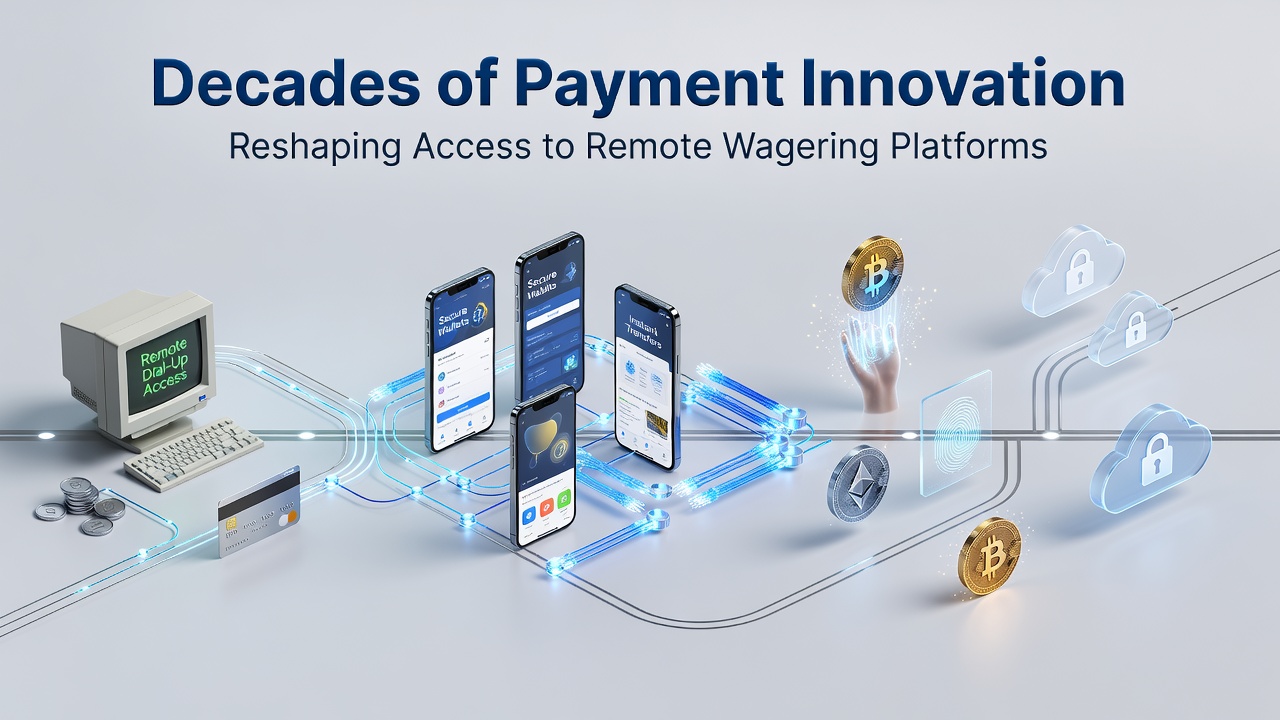
Decades of Payment System Advances Expanding Remote Wagering Reach
Payment innovations have steadily altered how people engage with remote wagering platforms since the mid-1990s, when credit card processing first enabled initial online betting transactions across international borders. Early systems relied on traditional bank transfers and card authorizations that often involved lengthy verification periods and high fees, yet these methods laid the groundwork for broader participation as internet connectivity spread through households and businesses alike.
Observers note that the shift toward digital wallets in the early 2000s accelerated access for users in regions where banking infrastructure remained limited. Services such as Neteller and Moneybookers processed transactions faster than conventional banks, allowing players to deposit and withdraw funds within hours rather than days. Data from industry reports indicate that wallet adoption rates climbed steadily through 2005, coinciding with the expansion of online poker rooms and sportsbooks that drew participants from multiple continents.
Mobile Integration and Instant Transfers
Smartphone proliferation after 2010 introduced mobile payment options that further lowered barriers for remote wagering participants. Applications integrated with carrier billing and digital wallet features let users complete deposits directly from their devices, bypassing desktop-only interfaces that had previously restricted activity to fixed locations. Research indicates transaction volumes through mobile channels rose sharply between 2012 and 2018, reflecting broader trends in consumer finance where contactless methods gained preference over physical card swipes.
Regulatory frameworks in various jurisdictions influenced these developments, with bodies such as the Malta Gaming Authority establishing standards for payment processor compliance that encouraged platform operators to adopt secure encryption protocols. Meanwhile, the Australian Communications and Media Authority tracked increases in online gambling traffic tied to improved payment reliability, documenting how streamlined processes reduced abandoned transactions during peak betting periods.
Cryptocurrency and Blockchain Adoption
Bitcoin's emergence around 2009 opened pathways for cryptocurrency transactions on select wagering sites by the mid-2010s, offering users pseudonymity and borderless transfers that appealed particularly in markets with currency controls. Platforms began accepting digital coins alongside traditional methods, and studies published in the International Gambling Studies journal documented how blockchain ledgers provided verifiable transaction records that appealed to operators seeking audit trails without intermediaries. By 2020, several major sites reported that crypto deposits accounted for a growing share of activity, especially among users in emerging markets where local banking options carried higher costs or delays.
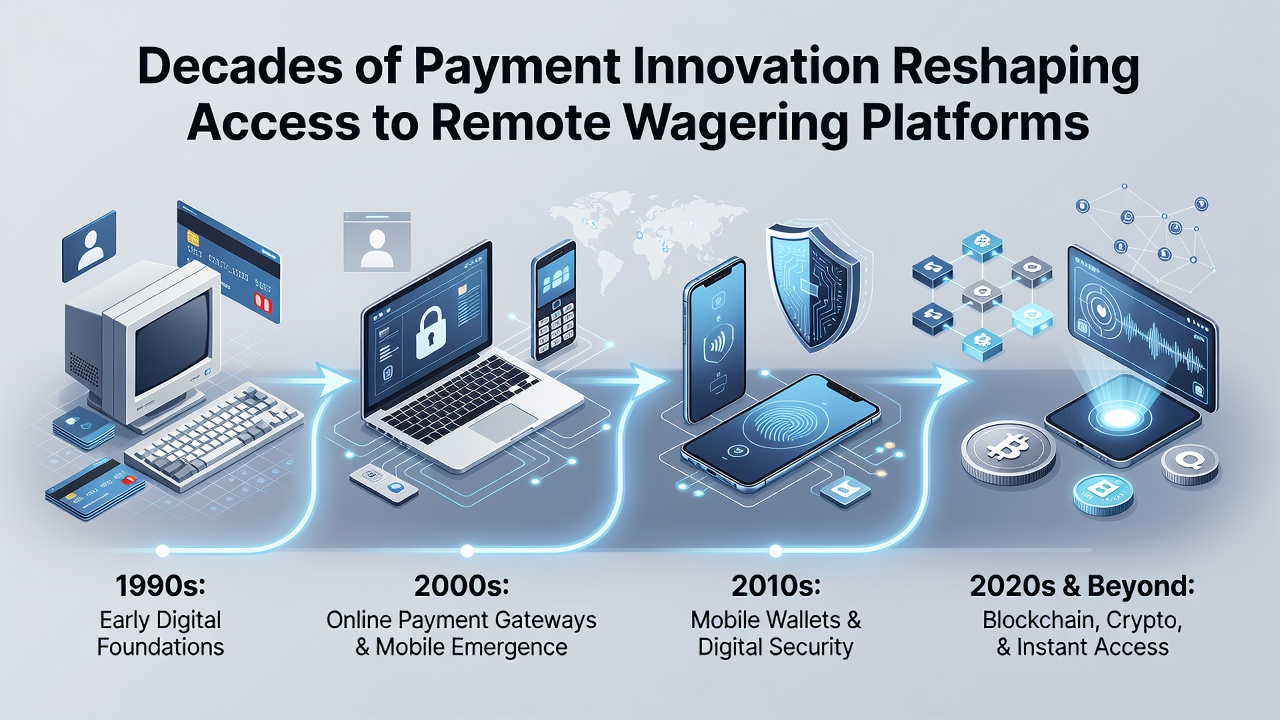
Stablecoins and faster blockchain networks introduced after 2021 addressed earlier volatility concerns, enabling near-instant settlements that matched the pace of live event betting. Figures from payment analytics firms reveal that transaction completion times dropped below two minutes for many crypto-based deposits by 2024, compared with average card processing windows that still extended to several hours in certain regions. This speed differential proved significant for time-sensitive wagers where market odds shifted rapidly.
Regional Variations in Payment Access by 2026
As of June 2026, payment landscapes continue to vary widely by geography, with North American platforms incorporating state-specific banking partnerships following legislative changes in multiple jurisdictions. European operators, guided by evolving directives from the European Central Bank on digital finance, have integrated open banking protocols that allow direct account-to-account transfers without exposing card details. These systems reduce chargeback risks for merchants while providing users clearer spending records that align with responsible gambling tools.
Canadian provincial regulators have similarly examined payment innovations through pilot programs that test real-time verification layers, drawing on data from earlier implementations in other Commonwealth nations. Observers note that such trials often reveal how frictionless transfers correlate with higher retention rates among casual participants who previously encountered hurdles during initial sign-ups.
Payment innovations have also intersected with identity verification advances, where biometric authentication paired with digital wallets streamlines onboarding without compromising security standards. Research indicates that platforms employing multi-factor systems see fewer instances of account suspension related to payment disputes, supporting sustained user engagement over longer periods.
Conclusion
The cumulative effect of these payment developments across decades demonstrates measurable expansion in remote wagering accessibility, driven by successive technological layers that addressed speed, cost, and geographic constraints. Continued integration of emerging financial tools will likely sustain these trends, with data collection from regulatory and academic sources providing ongoing insight into usage patterns across diverse markets.