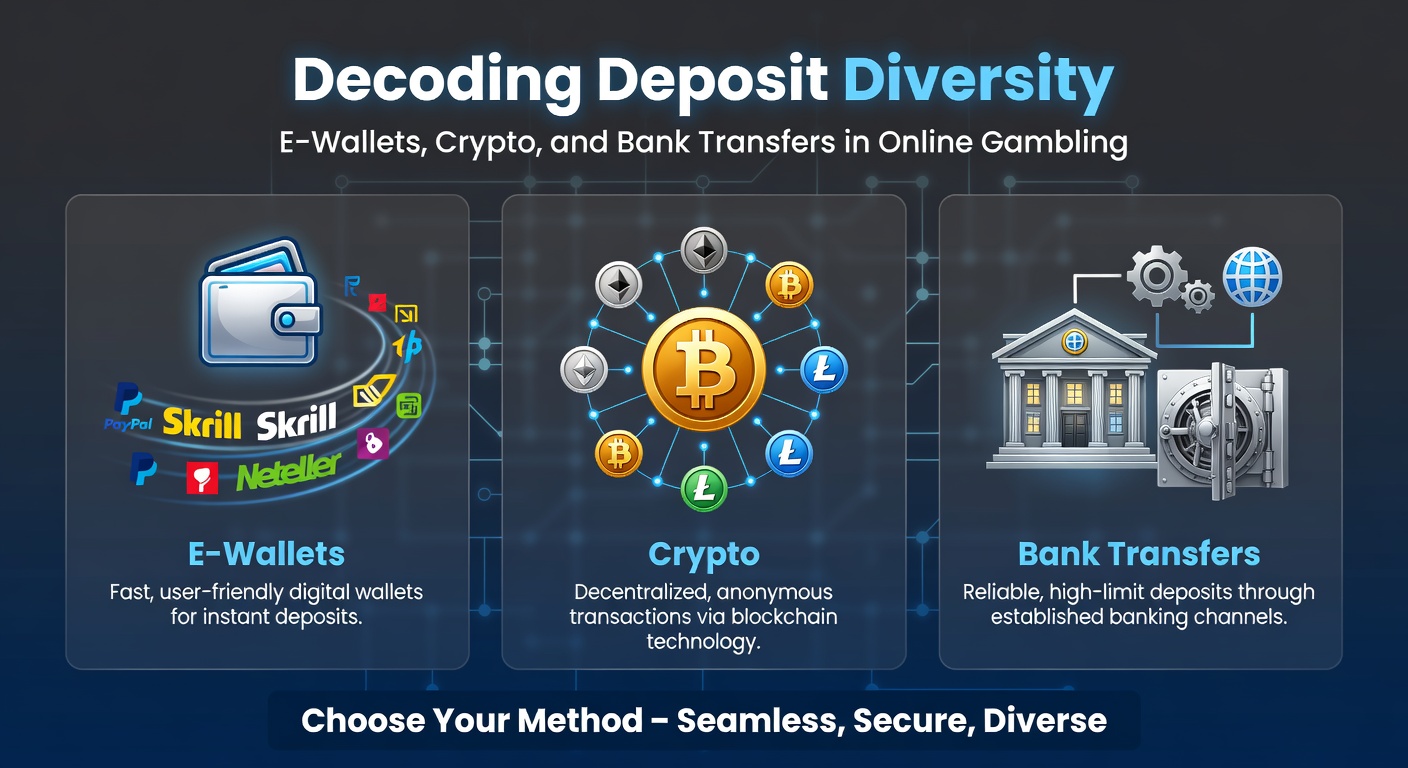
Decoding Deposit Diversity: E-Wallets, Crypto, and Bank Transfers in Online Gambling
The Rise of Varied Payment Options in Digital Casinos
Online gambling platforms have expanded their deposit methods dramatically over the past decade, offering players choices from e-wallets like Skrill and Neteller, cryptocurrencies such as Bitcoin and Ethereum, to traditional bank transfers; this diversity caters to global users with differing preferences for speed, privacy, and cost. Data from industry reports indicates that in 2025 alone, transaction volumes through these channels surged by 28 percent worldwide, driven by mobile gaming growth and regulatory shifts in key markets. Players often select methods based on factors like processing times—ranging from instant for crypto to several days for wires—and fee structures that can eat into bankrolls if not monitored closely.
What's interesting is how regional availability shapes usage; for instance, e-wallets dominate in Europe where quick, low-fee options align with strict anti-money-laundering rules, while crypto gains traction in Asia and Latin America amid banking restrictions. Bank transfers, though slower, remain a staple for high-rollers seeking direct links to personal accounts. Turns out, platforms now list up to 20 deposit options on average, up from just five a few years back, reflecting player demand for flexibility.
E-Wallets: Speed and Convenience at the Forefront
E-wallets such as PayPal, Skrill, Neteller, and ecoPayz have become go-to choices for online casino deposits because they bridge traditional banking with digital speed, allowing instant funding from linked cards or accounts while keeping sensitive details off gambling sites. Figures from the European Payment Institutions Federation reveal that these services handled over 40 percent of EU iGaming transactions in 2025, thanks to deposit limits starting as low as $10 and withdrawals clearing in 24 to 48 hours on most platforms.
But here's the thing: while deposits hit accounts immediately with zero fees from the casino side, withdrawals sometimes carry operator charges of 1-3 percent, and not all e-wallets support every country—Skrill shines in restricted markets like Australia, where direct bank links face hurdles. Observers note that verification processes, requiring uploads of ID and proof of address, add a layer of security, reducing fraud incidents by 65 percent according to platform audits. One study highlighted how users in Canada favor Neteller for its loyalty programs, which rebate fees on high-volume play, turning frequent depositors into regulars without the hassle of repeated bank approvals.
And yet, e-wallets aren't without quirks; currency conversion fees can surprise international players, hitting 2.5 percent on average when euros convert to dollars, so those eyeing cross-border sites often preload in the right currency to sidestep extras.
Cryptocurrencies: Anonymity Meets Volatility
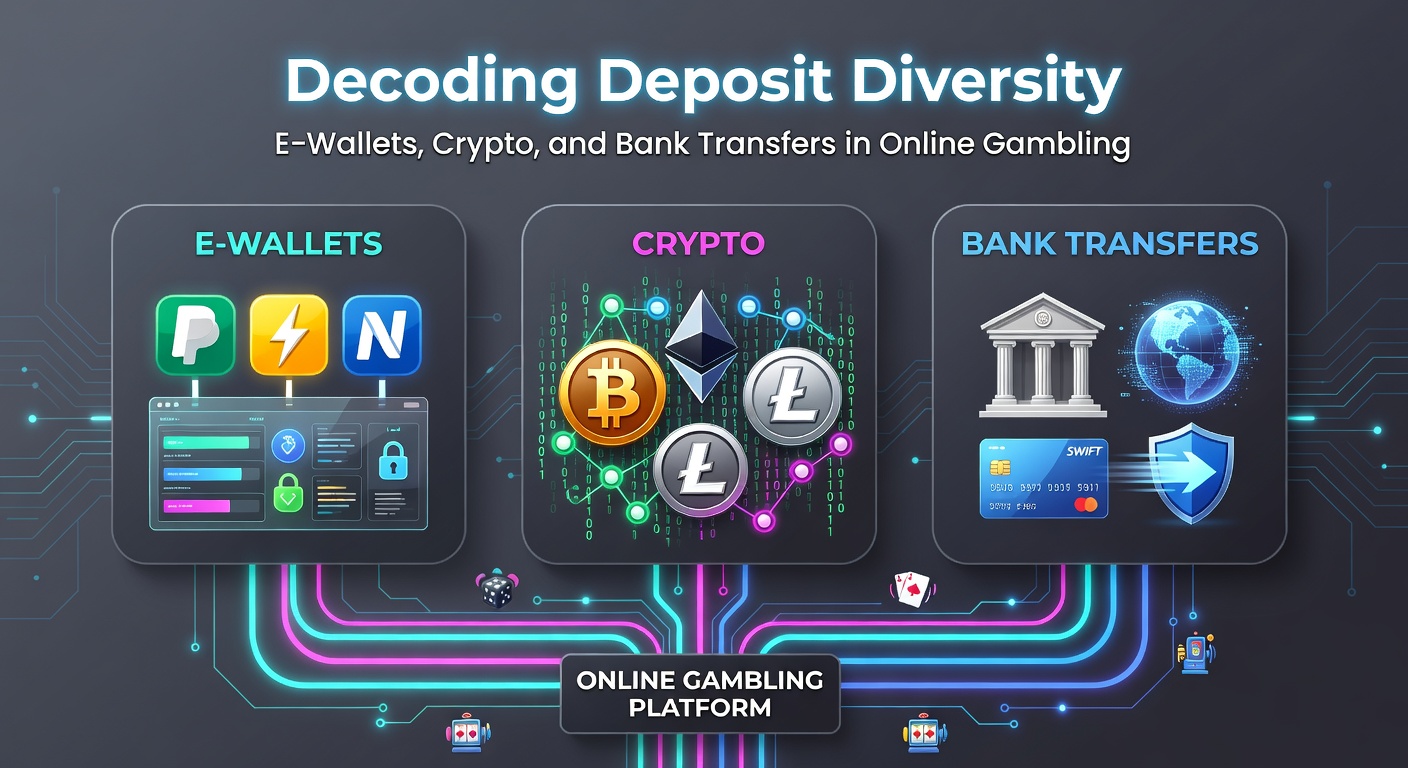
Crypto deposits, powered by Bitcoin, Ethereum, USDT, and emerging tokens like Solana, offer near-instant transfers on blockchain networks, bypassing banks entirely and appealing to privacy-focused players who value wallet-to-site anonymity. Research from the American Gaming Association shows adoption jumped 150 percent between 2023 and 2025 in the US, where licensed operators in states like New Jersey and Pennsylvania now accept over a dozen coins with zero deposit fees and minimums as low as $20 equivalent.
That's where the rubber meets the road, though—while deposits confirm in minutes via networks like Lightning for Bitcoin, withdrawals demand on-chain fees that fluctuate wildly, sometimes $5 one day and $50 the next during congestion. Platforms mitigate this by converting crypto to fiat internally, but volatility remains a risk; a player funding with Ethereum at $3,000 per coin might see their balance shift before play begins. Experts have observed that in April 2026, as US regulations evolve under new federal guidelines, more states could greenlight crypto, potentially doubling transaction volumes based on pilot programs in Michigan.
People who've tried this often discover the appeal in high limits—up to $100,000 per transaction on some sites—and global reach, sidestepping forex woes, although KYC mandates now require wallet proofs to comply with anti-fraud standards.
Bank Transfers: The Reliable Traditional Backbone
Bank transfers, via methods like ACH in the US, SEPA in Europe, or iDEAL in the Netherlands, provide direct account-to-casino links with top-tier security through established financial rails, though they lag in speed with deposits taking 1-3 business days and withdrawals stretching to five or more. Data indicates these handle 25 percent of global high-value deposits over $5,000, favored by players in regulated markets like Canada where Interac e-Transfer variants offer faster domestic options under provincial oversight.
So why stick with them? Limits soar into the hundreds of thousands without caps common in other methods, and fees stay low—often under 1 percent reimbursed by casinos—while banks' fraud monitoring adds ironclad protection. Turns out, one case in Australia showed transfers reducing chargeback disputes by 80 percent compared to cards, as funds move irrevocably once initiated. But the wait times frustrate casual players, prompting hybrids like instant bank options from Trustly that mimic e-wallet pace using open banking APIs.
Observers note geographic quirks; in Brazil, PIX bank transfers dominate with 24/7 instantaneity, processing billions monthly and reshaping local iGaming since 2020.
Comparing Speeds, Fees, Limits, and Regional Nuances
- Speed: Crypto and e-wallets lead with instants to hours for deposits, bank transfers trail at days; withdrawals flip this, with banks sometimes quickest for large sums.
- Fees: All three often waive deposit costs, but crypto network charges vary, e-wallet conversions add 1-2.5 percent, and wires hit 0.5-1 percent internationally.
- Limits: E-wallets cap daily at $10,000 typically, crypto pushes $50,000+, banks unlimited for verified VIPs.
- Availability: E-wallets ubiquitous minus US PayPal gaps, crypto restricted in China but booming in El Salvador, banks universal yet slow cross-border.
Here's where it gets interesting: a 2025 cross-platform analysis found e-wallets edging out for everyday use due to familiarity, while crypto surges among millennials—35 percent of under-35 depositors per surveys—balancing privacy against exchange rate swings. Bank transfers hold steady for 40+ demographics, per demographic breakdowns.
Security layers differ too; e-wallets and banks employ two-factor authentication universally, crypto relies on seed phrases that platforms can't access, slashing hack risks but demanding user vigilance.
Regulatory Landscapes and Security Protocols
Regulators worldwide enforce KYC across methods, with Malta's Gaming Authority mandating e-wallet and bank verifications within 24 hours of signup, while crypto sites in Curacao jurisdictions add blockchain tracing for compliance. Figures reveal fraud dropped 45 percent post-2023 mandates, as multi-factor checks and transaction monitoring became standard.
And in April 2026, Ontario's iGaming sector reports full integration of all three under the Alcohol and Gaming Commission, boosting player trust with real-time audit trails. Platforms use AI to flag anomalies, like rapid crypto flips, preventing money laundering effectively.
Future Trends Shaping Deposits
Looking ahead, stablecoins like USDC promise to tame crypto volatility, with projections estimating 30 percent market share by 2027; e-wallets evolve via Apple Pay ties for seamless mobile loads, and bank APIs like those from Plaid enable instant global wires. One researcher tracking trends predicts hybrid wallets combining all three by late 2026, streamlining choices amid rising mobile bets.
Wrapping Up the Deposit Landscape
Diversity in e-wallets, crypto, and bank transfers empowers online gamblers with tailored options, balancing speed, security, and cost based on location and playstyle; as platforms refine these in 2026, transaction efficiency continues climbing, with data pointing to even broader adoption. Players benefit from comparing fees and times upfront, ensuring deposits fuel fun without friction.