Decoding the Progression of Randomization Techniques in Electronic Gaming Devices
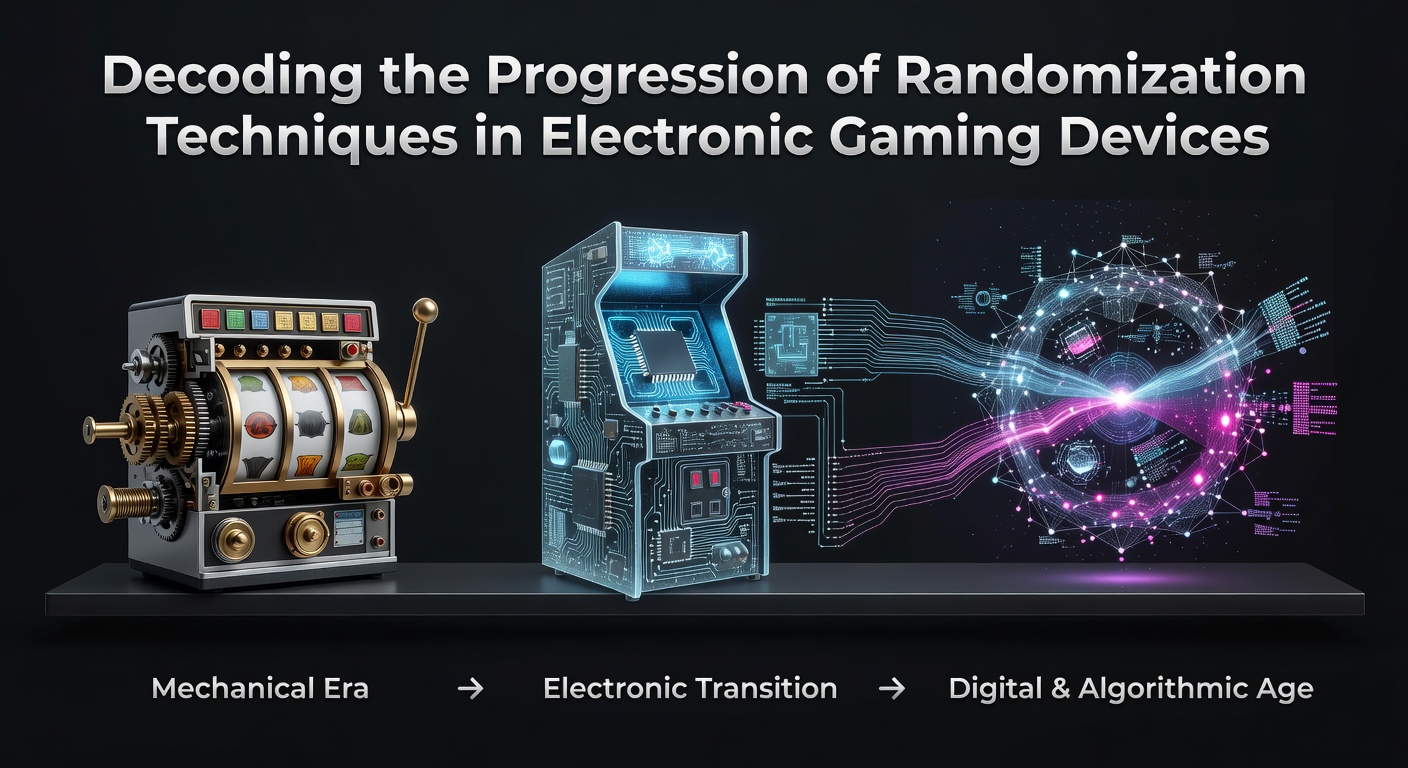
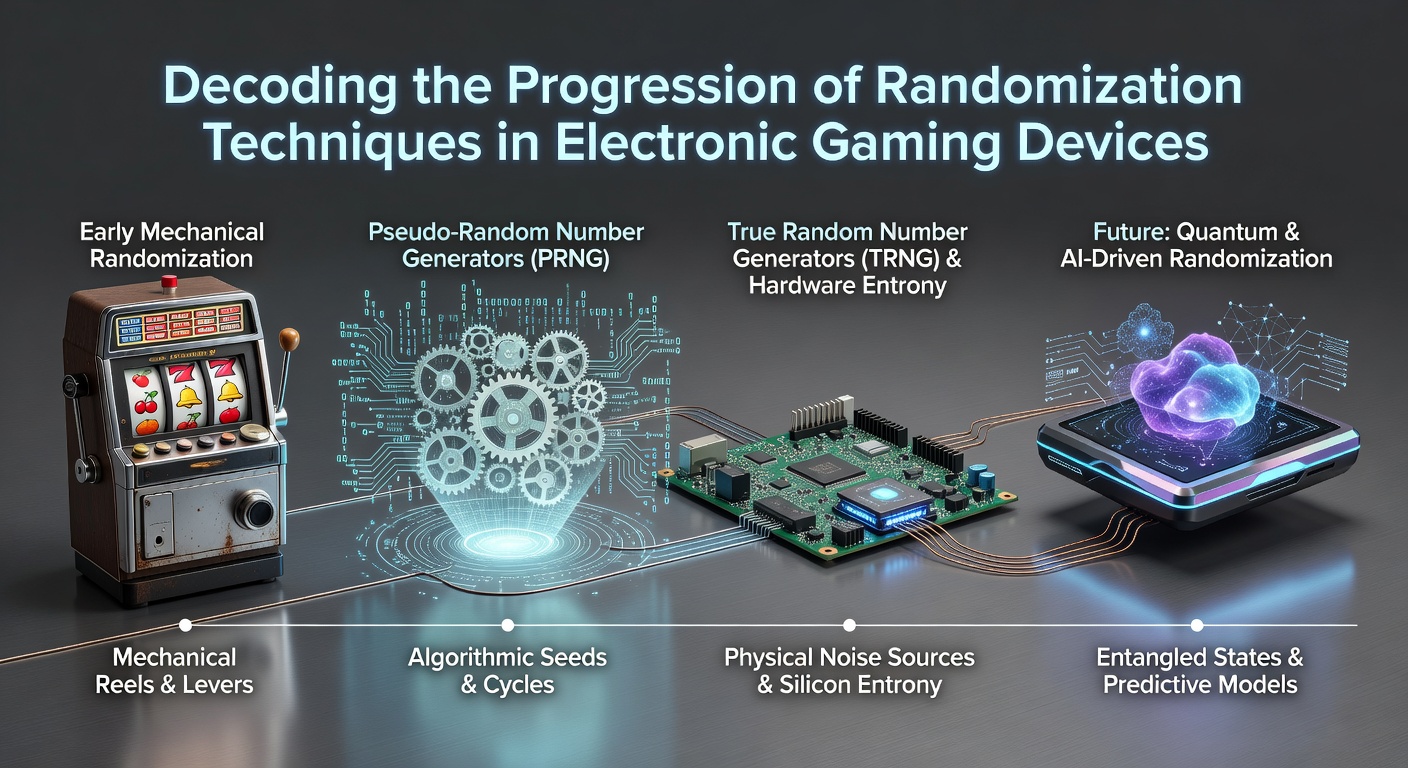
Electronic gaming devices have relied on randomization methods since their earliest forms, and the progression of these techniques reveals a steady shift from physical mechanisms to sophisticated digital systems. Mechanical reels in the first slot machines used physical gears and springs to determine outcomes, yet manufacturers soon recognized the need for greater consistency and security as devices scaled up in casinos worldwide. Observers note that this foundational period set the stage for later innovations because physical components proved vulnerable to tampering and wear over time.
Early Mechanical Foundations and Initial Shifts
Researchers trace the move toward electromechanical systems in the mid-20th century, when motors and switches replaced purely manual operations in many machines. These hybrid designs still depended on physical stops and levers, but they introduced basic electrical controls that improved reliability while maintaining the appearance of chance. Data from industry records show that by the 1970s several manufacturers had begun experimenting with computer chips to generate results, marking the first widespread use of algorithmic randomization in commercial gaming equipment.
Introduction of Pseudo-Random Number Generators
Pseudo-random number generators became standard once microprocessors entered gaming hardware, and these algorithms produced sequences that mimicked true randomness without requiring external input. Engineers developed linear congruential generators and later more complex Mersenne Twister methods to meet regulatory demands for unpredictability and fairness. Studies conducted by technical laboratories confirmed that properly implemented pseudo-random systems passed statistical tests for uniformity and independence, which allowed regulators to certify devices more efficiently than older mechanical inspections permitted.
Transition to Hardware-Based and True Random Sources
Hardware random number generators entered the field as concerns grew over the deterministic nature of software algorithms, and these devices harvested entropy from physical phenomena such as thermal noise or electronic jitter. Gaming commissions in multiple jurisdictions began requiring supplemental testing for entropy sources after several high-profile analyses revealed potential predictability in certain pseudo-random implementations. Figures from certification reports indicate that machines incorporating hardware entropy sources demonstrated measurable improvements in statistical independence during laboratory evaluations.
What's interesting is how regulatory bodies adapted their standards to accommodate these hybrid approaches. The Nevada Gaming Control Board published updated technical requirements in the early 2000s that explicitly addressed both algorithmic and hardware-based solutions, while similar frameworks emerged from agencies in other regions. One study revealed that integration of true random elements reduced the theoretical attack surface for sophisticated manipulation attempts, although implementation costs rose accordingly.
Quantum and Post-Quantum Developments
Quantum random number generators represent the latest documented stage in this progression, drawing on quantum mechanical effects to produce bits that cannot be predicted even in principle. Several suppliers have introduced commercial modules for gaming applications, and preliminary evaluations by independent labs have shown compliance with existing randomness standards. Research papers presented at international conferences through 2025 detail ongoing efforts to integrate these modules into production devices without compromising speed or certification timelines.
June 2026 marks a notable point because multiple standards organizations plan to release revised guidelines that specifically reference quantum sources and post-quantum cryptographic considerations for gaming equipment. These updates build on earlier work by bodies such as the National Institute of Standards and Technology and the European Committee for Electrotechnical Standardization, which have already circulated draft requirements for entropy verification and continuous monitoring. According to preliminary briefings, the new provisions will require manufacturers to demonstrate ongoing entropy quality throughout a device's operational life rather than relying solely on initial certification testing.
Regulatory Testing and Certification Evolution
Certification laboratories have expanded their protocols alongside these technical changes, incorporating continuous runtime monitoring and live entropy audits. Reports from the Gaming Laboratories International network describe new test suites that sample output streams during simulated play sessions lasting thousands of hours. Data indicates these extended evaluations catch subtle biases that shorter traditional tests sometimes miss, prompting manufacturers to refine seeding procedures and post-processing algorithms.
Industry associations have also contributed by publishing best-practice documents that help smaller developers align with global requirements. Those documents emphasize modular design approaches so that randomization components can be updated or replaced without recertifying entire platforms. Observers note that this flexibility has become especially relevant as jurisdictions adopt differing timelines for accepting quantum and hardware-entropy solutions.
Conclusion
The documented progression of randomization techniques in electronic gaming devices continues to reflect advances in both computing hardware and regulatory expectations. Each generation has addressed limitations of its predecessors while introducing new verification challenges that laboratories and standards bodies work to resolve. Future developments will likely focus on maintaining verifiable entropy across distributed networks and cloud-connected systems, building directly on the foundations established through decades of incremental improvement.