Deposit Method Advancements in Remote Wagering: Milestones That Transformed Global Participation
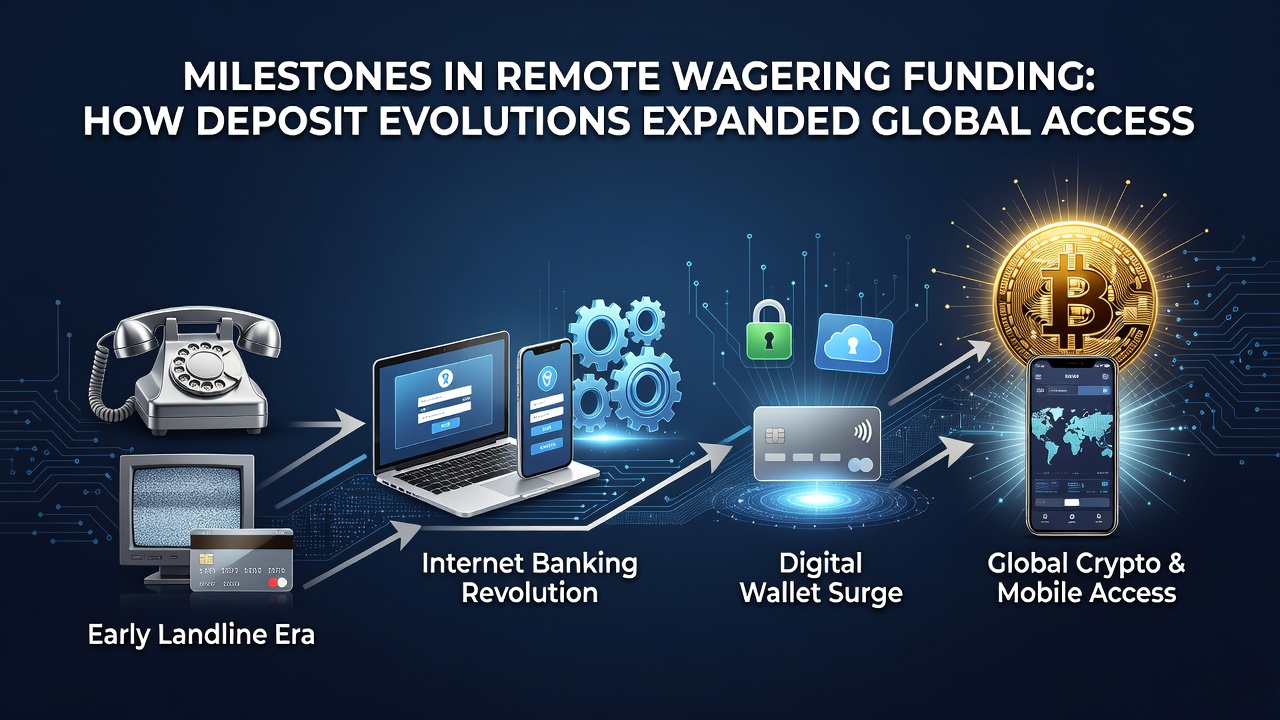
Remote wagering has undergone substantial changes since its early days, and payment processing stands at the center of those shifts because reliable deposit options determine who can participate and from where. Early platforms relied primarily on credit card transactions, yet banking restrictions in multiple countries limited access for many users, which prompted developers to explore alternative channels that could bypass traditional financial gatekeepers.
Early Foundations and Credit Card Limitations
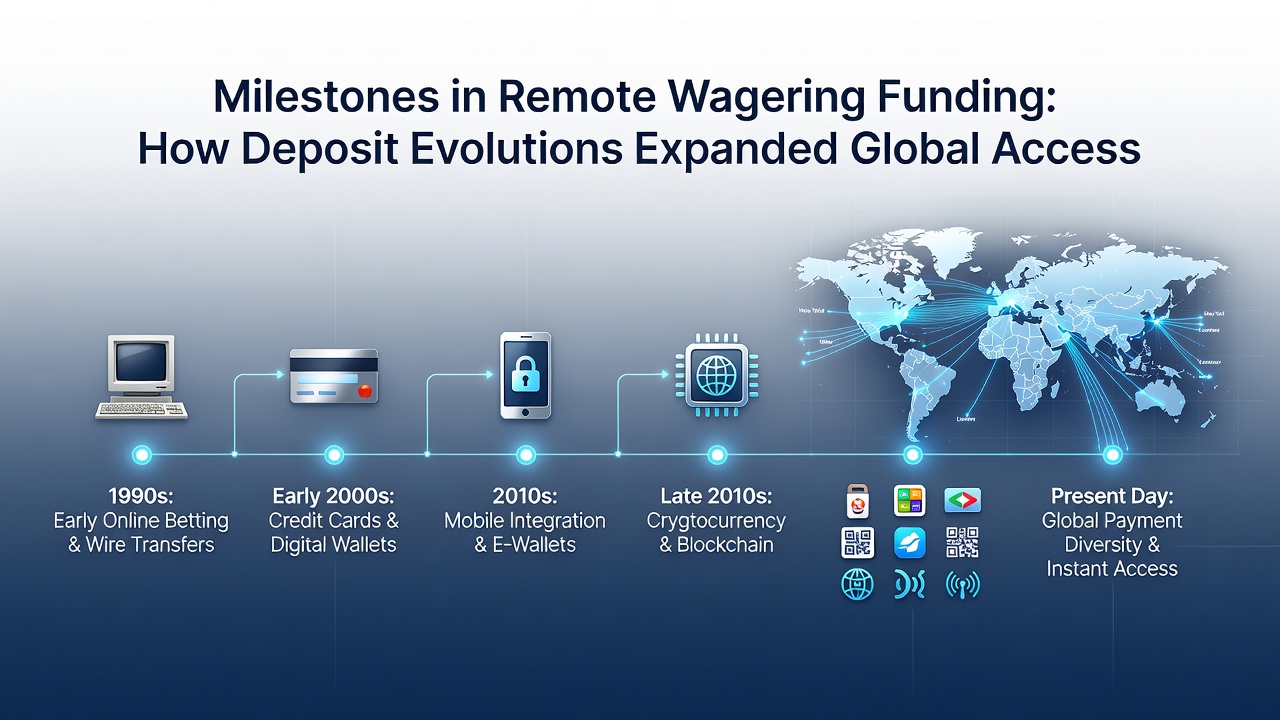
Credit cards served as the initial backbone for remote wagering deposits during the late 1990s and early 2000s, and operators integrated payment gateways that processed transactions through established networks like Visa and Mastercard. Those systems worked efficiently in jurisdictions where gambling transactions faced no special prohibitions, yet regulatory barriers in places such as the United States after the 2006 UIGEA passage created immediate obstacles for players seeking to fund accounts. Observers note that transaction declines became commonplace, which pushed the industry toward solutions that could operate independently of conventional banks.
Emergence of E-Wallets and Digital Transfers
E-wallets entered the scene around 2002 when services like PayPal, Neteller, and Skrill gained traction among remote wagering operators. These platforms allowed users to preload funds from personal bank accounts or cards and then transfer balances instantly to gaming sites without revealing sensitive financial details on each transaction. Data from industry reports indicate that adoption rates climbed steadily through the 2010s because e-wallets offered lower fees and faster processing times compared with direct card payments. In regions with strict banking rules, such as parts of Eastern Europe and Latin America, these tools opened doors for participants who previously encountered repeated declines, and global user bases expanded as a direct result.
Mobile Integration and Instant Funding Options
Smartphone penetration accelerated another wave of deposit innovation after 2015, when mobile payment systems including Apple Pay, Google Pay, and regional equivalents such as M-Pesa in Kenya integrated with wagering platforms. These methods leveraged existing mobile wallets that millions already used for everyday purchases, which reduced friction for new users in emerging markets. Figures from the International Telecommunication Union show mobile broadband subscriptions surpassing 6 billion globally by 2023, and that infrastructure supported deposit volumes that grew in parallel. Operators in Australia and Canada reported increased participation from younger demographics once mobile options became standard, while regulatory bodies in those countries monitored compliance through updated licensing frameworks.
Cryptocurrency Adoption and Borderless Transactions
Bitcoin and subsequent cryptocurrencies arrived as another milestone around 2017, when several major platforms began accepting digital assets for deposits and withdrawals. Blockchain technology enabled near-instant transfers with minimal fees and without reliance on centralized banking systems, which proved especially valuable in countries facing currency controls or sanctions. Research compiled by the University of Las Vegas Center for Gaming Research highlights that cryptocurrency deposits accounted for a rising share of total funding in offshore markets by 2022. European operators under the Malta Gaming Authority framework incorporated crypto options while maintaining strict anti-money laundering protocols, and similar adaptations appeared in Canadian provincial regulations. What's interesting is how these decentralized methods allowed participants in previously underserved areas such as parts of Africa and Southeast Asia to join platforms that traditional payment rails had excluded.
Regulatory Milestones and Expanded Access in 2026
By July 2026, several jurisdictions had implemented updated rules that further supported diverse deposit methods while enforcing consumer protections. Canadian provinces expanded their frameworks to include cryptocurrency verification standards, and Australian state regulators introduced guidelines for instant bank transfer services like PayID. These changes coincided with broader financial technology advancements that reduced average deposit times from hours to seconds, and participation metrics from licensed operators showed corresponding increases across multiple continents. Industry associations documented how such evolutions helped remote wagering reach demographics that lacked traditional banking access, thereby widening the global footprint without compromising oversight requirements.
Conclusion
The progression from credit cards through e-wallets, mobile payments, and cryptocurrencies illustrates a consistent pattern where each deposit evolution addressed specific barriers that had previously restricted participation. Regulatory adaptations in varied regions kept pace with technological options, and the cumulative effect has been broader international access supported by faster, more inclusive funding mechanisms. Those who track industry statistics continue to observe how these milestones reshape who can engage with remote wagering platforms worldwide.