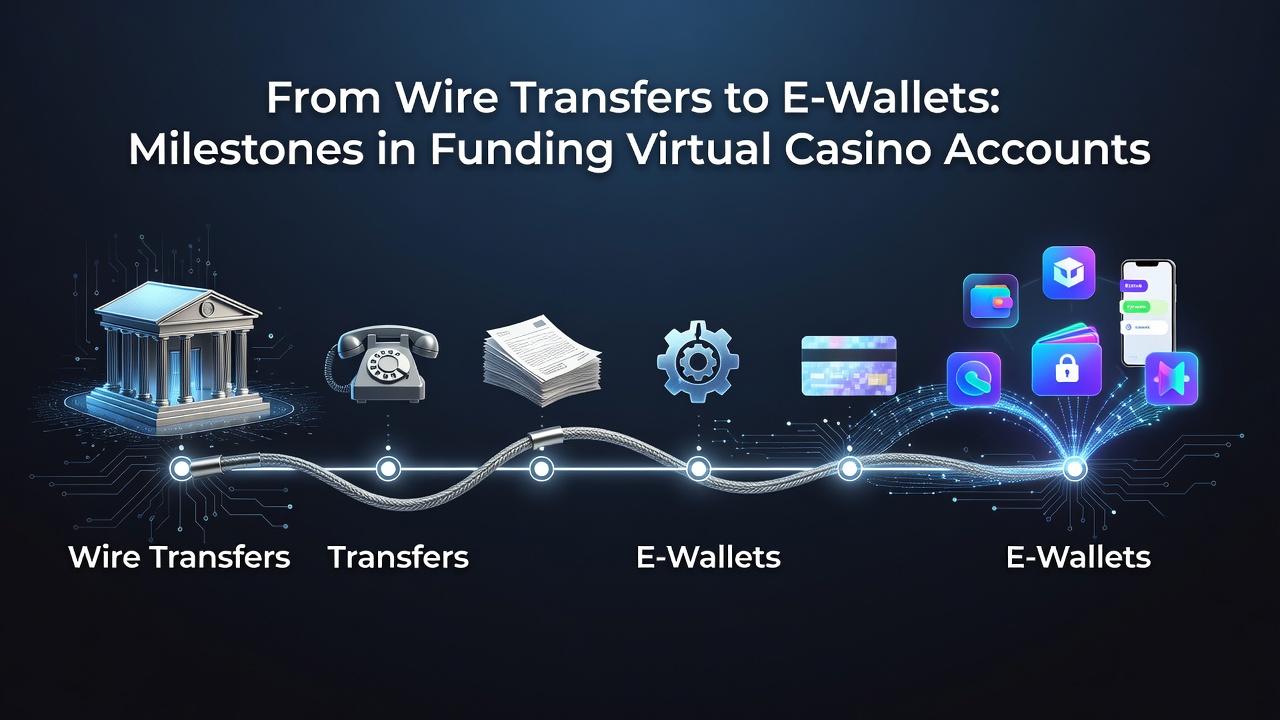
From Wire Transfers to E-Wallets: Milestones in Funding Virtual Casino Accounts
Payment systems for virtual casino accounts have shifted dramatically over the decades, moving from slow bank-based transfers to instant digital solutions that prioritize speed and accessibility, and data from industry reports shows this progression reflects broader changes in global financial technology.
Initial Reliance on Traditional Banking Channels
Virtual casinos first emerged in the mid-1990s and operators depended heavily on wire transfers through banks along with early credit card processing, while these methods required players to submit detailed financial information and wait several business days for funds to clear before play could begin. According to records maintained by regulatory bodies in various jurisdictions, transaction fees often exceeded five percent and minimum amounts frequently started at several hundred dollars, which created barriers for casual participants.
Security concerns also played a major role during this period because each transfer exposed account details across multiple intermediaries, and observers note that many users avoided online gambling altogether until more streamlined options appeared.
Introduction of Digital Wallet Services
Electronic wallet platforms entered the scene around 1999 when services such as Neteller and later Skrill gained traction among casino operators, and these systems allowed users to deposit funds through an intermediary account that masked direct bank details while reducing processing times to minutes rather than days. Figures from payment processor analyses reveal that e-wallet adoption grew steadily through the early 2000s as more jurisdictions clarified online gambling rules.
PayPal joined this space briefly before withdrawing from many gambling markets, yet its early presence helped normalize digital transactions for a wider audience. Those who studied transaction patterns during this era found that average deposit sizes decreased as smaller, more frequent transfers became feasible through these new channels.
Expansion Through Mobile and Contactless Options
Smartphone proliferation after 2010 accelerated further innovation, and developers integrated e-wallets directly into mobile apps so players could fund accounts with a few taps while on the move. Research from financial technology firms indicates that mobile-based deposits surpassed desktop methods in volume by the mid-2010s across multiple regions.
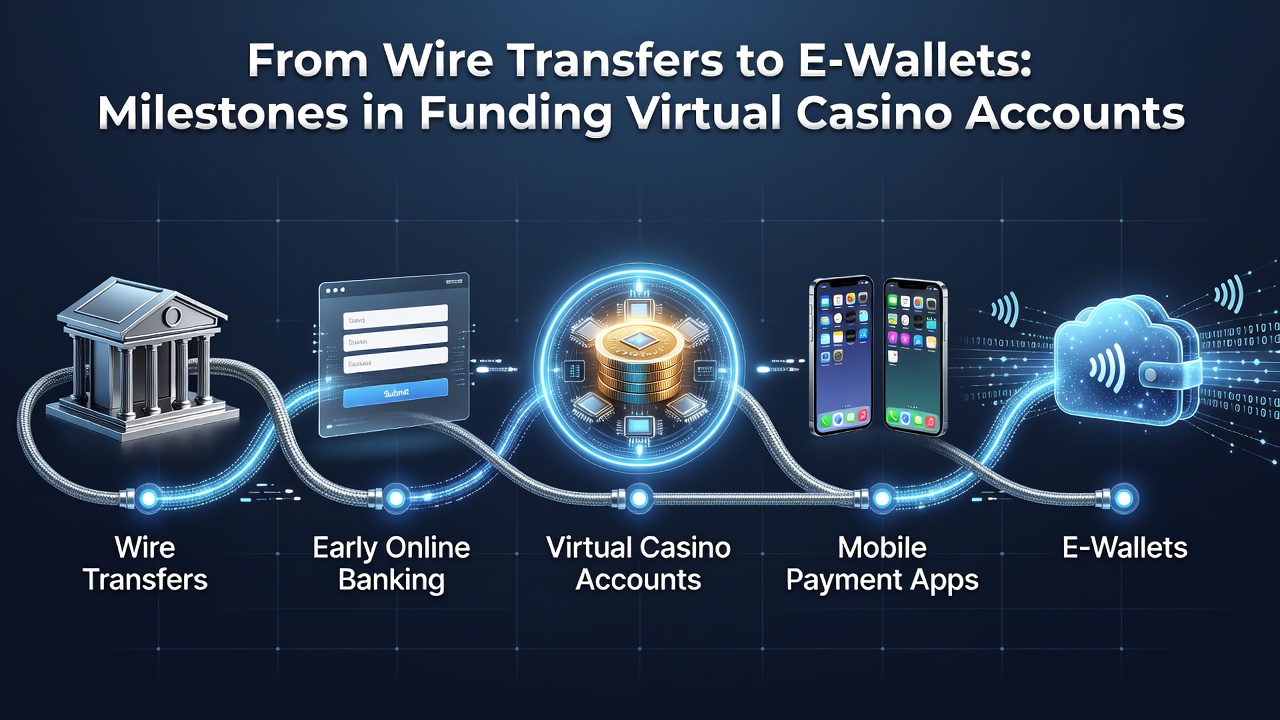
Apple Pay and Google Pay integration followed, bringing contactless technology into the mix, and data collected by Australian regulatory agencies shows increased participation from users who previously avoided online platforms due to perceived complexity. Prepaid cards and voucher systems also filled gaps in markets where direct banking links faced restrictions, offering another layer of privacy without sacrificing convenience.
Emergence of Cryptocurrency and Instant Settlement
Bitcoin and subsequent cryptocurrencies arrived as alternative funding vehicles around 2013, and several operators began accepting them because blockchain ledgers enabled near-instant verification with lower fees than traditional wires. Canadian provincial gaming authorities documented a measurable uptick in crypto deposits by 2018, particularly among users seeking cross-border options that bypassed conventional banking delays.
Stablecoins later addressed volatility concerns, and industry associations tracking adoption rates report that these digital assets now represent a growing share of total transaction volume in licensed markets. Hybrid solutions combining e-wallets with crypto bridges have appeared more recently, allowing seamless conversion between fiat and digital currencies within a single interface.
Regulatory Milestones and Security Enhancements
European directives on payment services, including updates implemented in 2018, standardized consumer protections across member states and encouraged wider acceptance of verified e-wallets. Similar frameworks in other regions prompted operators to adopt two-factor authentication and real-time fraud monitoring, which reduced unauthorized transactions according to compliance reports from multiple oversight bodies.
By June 2026 projections from international gaming associations anticipate further harmonization of digital identity verification standards, and this development is expected to streamline onboarding for new users while maintaining rigorous anti-money laundering checks already embedded in most platforms.
Conclusion
The journey from wire transfers to contemporary e-wallets demonstrates how technological and regulatory advances have reshaped access to virtual casino accounts, and each milestone addressed specific pain points around speed, cost, and security that earlier systems left unresolved. Continued integration of emerging payment technologies will likely sustain this pattern of incremental improvement in the years ahead.