How Regulatory Licensing in Various Jurisdictions Has Influenced Secure Payment Protocols in Digital Gambling
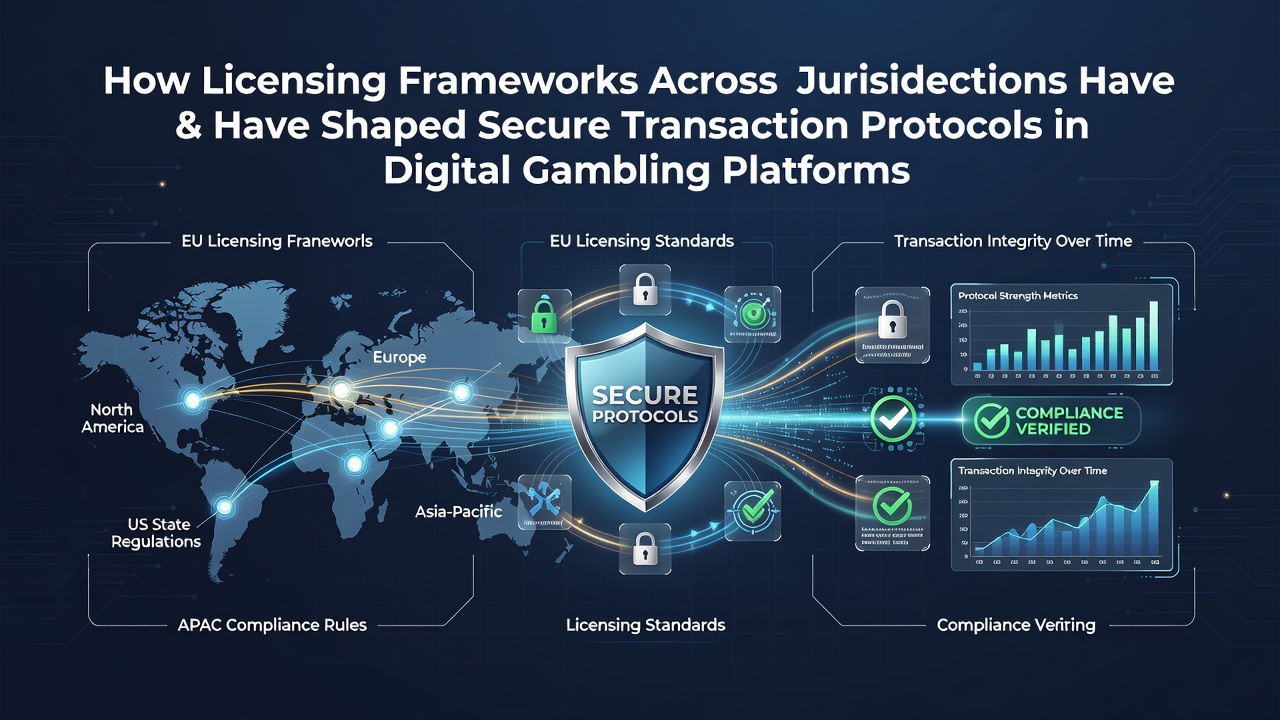
Regulatory licensing frameworks in different parts of the world have directly dictated the technical standards that digital gambling platforms must meet for handling financial transactions, and these requirements continue to evolve as jurisdictions refine their approaches to consumer protection and financial integrity. Operators seeking approval in multiple markets often find themselves aligning their payment systems with the strictest rules from each region, which has led to widespread adoption of advanced encryption methods, multi-layered authentication processes, and real-time monitoring tools across the industry.
North American Approaches and Their Technical Demands
In the United States, state-level gaming authorities such as the New Jersey Division of Gaming Enforcement have established licensing criteria that require platforms to implement payment gateways certified under PCI-DSS Level 1 standards, while also mandating the use of 256-bit SSL encryption for all data transfers involving player funds. These rules emerged from earlier concerns over unauthorized access, and they have pushed developers to integrate tokenization systems that replace sensitive card details with unique identifiers that cannot be reversed outside the licensed environment. Similar patterns appear in Canadian provinces where operators must comply with provincial iGaming frameworks that emphasize segregated player accounts and automated fraud detection algorithms tied directly to licensing renewals.
European Standards and Cross-Border Harmonization
European jurisdictions have contributed additional layers through directives that link licensing approval to compliance with anti-money laundering directives and electronic money regulations, which in turn require platforms to deploy know-your-customer verification tools integrated into the transaction flow. Data from the European Gaming and Betting Association shows that these combined requirements have accelerated the shift toward open banking integrations in several member states, allowing licensed operators to process deposits and withdrawals through verified bank channels rather than third-party processors that fall outside direct regulatory oversight. Platforms operating across borders therefore maintain separate compliance modules for each jurisdiction, and this modular approach has become a standard feature in enterprise-level gambling software suites.
Asia-Pacific Developments and Emerging Requirements
Australian licensing bodies have introduced rules that tie operational permits to the implementation of geofencing technology and transaction logging systems capable of generating audit trails for every financial movement within player accounts. These measures connect directly to licensing conditions that demand annual third-party security audits, and operators report that meeting these benchmarks has improved their overall resilience against account takeover attempts. In parallel, certain Asian markets with regulated online gambling sectors have begun incorporating requirements for multi-signature wallet architectures on platforms that accept cryptocurrency, reflecting a broader regulatory interest in tracing fund flows through decentralized networks.
August 2026 Regulatory Updates and Their Anticipated Effects
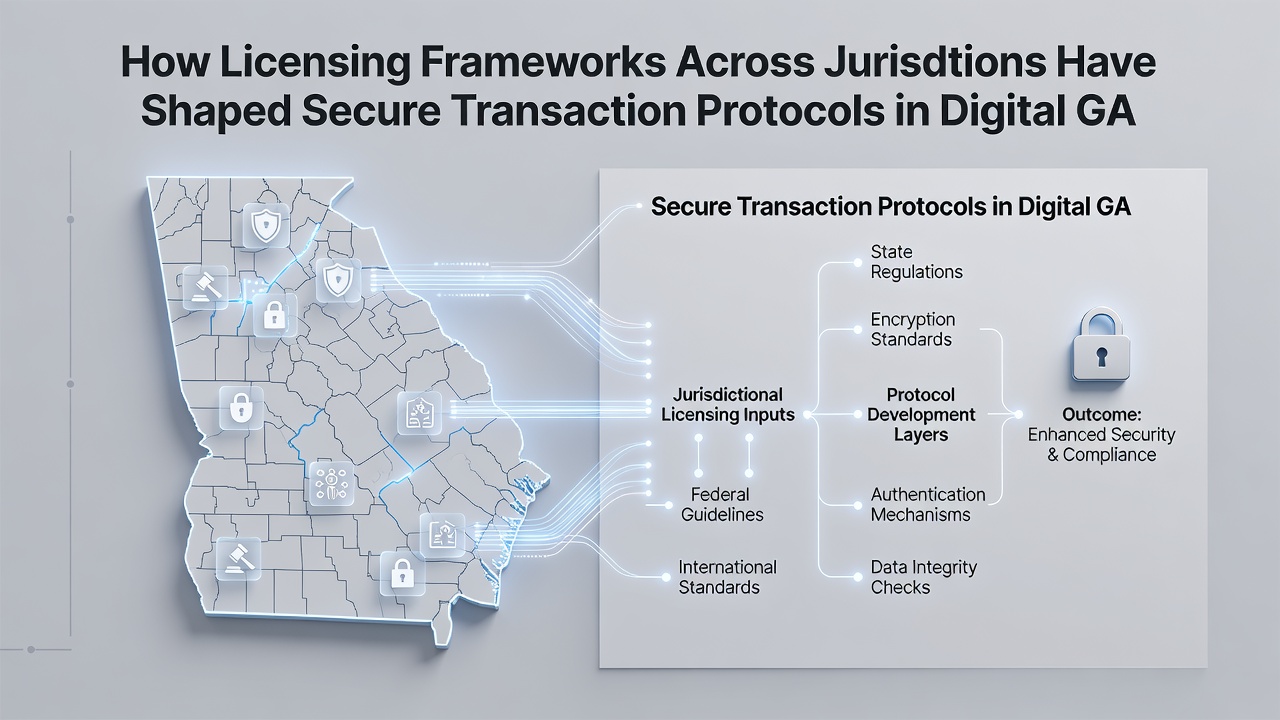
Scheduled licensing revisions set to take effect in August 2026 in select Canadian and Australian markets will introduce mandatory adoption of quantum-resistant encryption algorithms for transaction data storage, along with requirements for real-time reporting interfaces that connect directly to regulatory oversight portals. These changes build on existing frameworks that already enforce two-factor authentication and velocity checks on deposits, yet they represent an expansion of technical obligations that licensed operators must satisfy to maintain their permits. Industry observers note that platforms preparing for these deadlines have started piloting hybrid systems that combine traditional banking rails with distributed ledger verification methods, ensuring continuity while addressing the new audit capabilities demanded by regulators.
Global Patterns in Protocol Standardization
Across these diverse licensing environments, a consistent outcome has been the convergence around certain core security protocols, including end-to-end encryption for all financial messaging and automated sanctions screening integrated into withdrawal processes. Research from academic institutions tracking regulatory impacts indicates that operators licensed in multiple jurisdictions tend to exceed minimum requirements in their home markets because they must satisfy the cumulative demands of every authority that grants them operating rights. This dynamic has encouraged the development of centralized compliance platforms that can toggle specific features based on the player's location and the corresponding licensing rules in force.
Conclusion
The interplay between licensing conditions and transaction security protocols continues to define how digital gambling platforms structure their payment infrastructure, with each new regulatory update prompting further refinements in encryption, authentication, and monitoring capabilities. As jurisdictions coordinate on emerging threats such as sophisticated fraud schemes and cross-border fund movements, the technical standards embedded in licensing agreements are likely to remain the primary mechanism through which platforms achieve and demonstrate compliance.