
Interactive Dealers Decoded: Technology and Tactics in Real-Time Casino Streams
The Rise of Live Dealer Experiences
Live dealer casino streams have transformed online gambling since their debut in the early 2000s, blending the authenticity of brick-and-mortar casinos with digital convenience; players now interact with real dealers via high-definition video feeds, placing bets in real time while watching cards shuffle or roulette wheels spin. Data from industry reports indicates that live casino revenue surged by over 50% between 2020 and 2025, driven by advancements in streaming tech and mobile accessibility. What's interesting is how these streams replicate physical casino vibes—complete with dealer banter and table atmosphere—yet operate from dedicated studios in places like Malta or the Philippines.
Early pioneers like Evolution Gaming launched the first blackjack tables in 2006, using basic webcams and ISDN lines that often lagged; fast-forward to today, and multiple camera angles capture every angle, from overhead shots of the table to close-ups of shuffling decks. Observers note that player retention rates climb 30% higher in live sessions compared to RNG-based games, according to figures from Malta Gaming Authority licensed operators.
Core Technology Powering the Streams
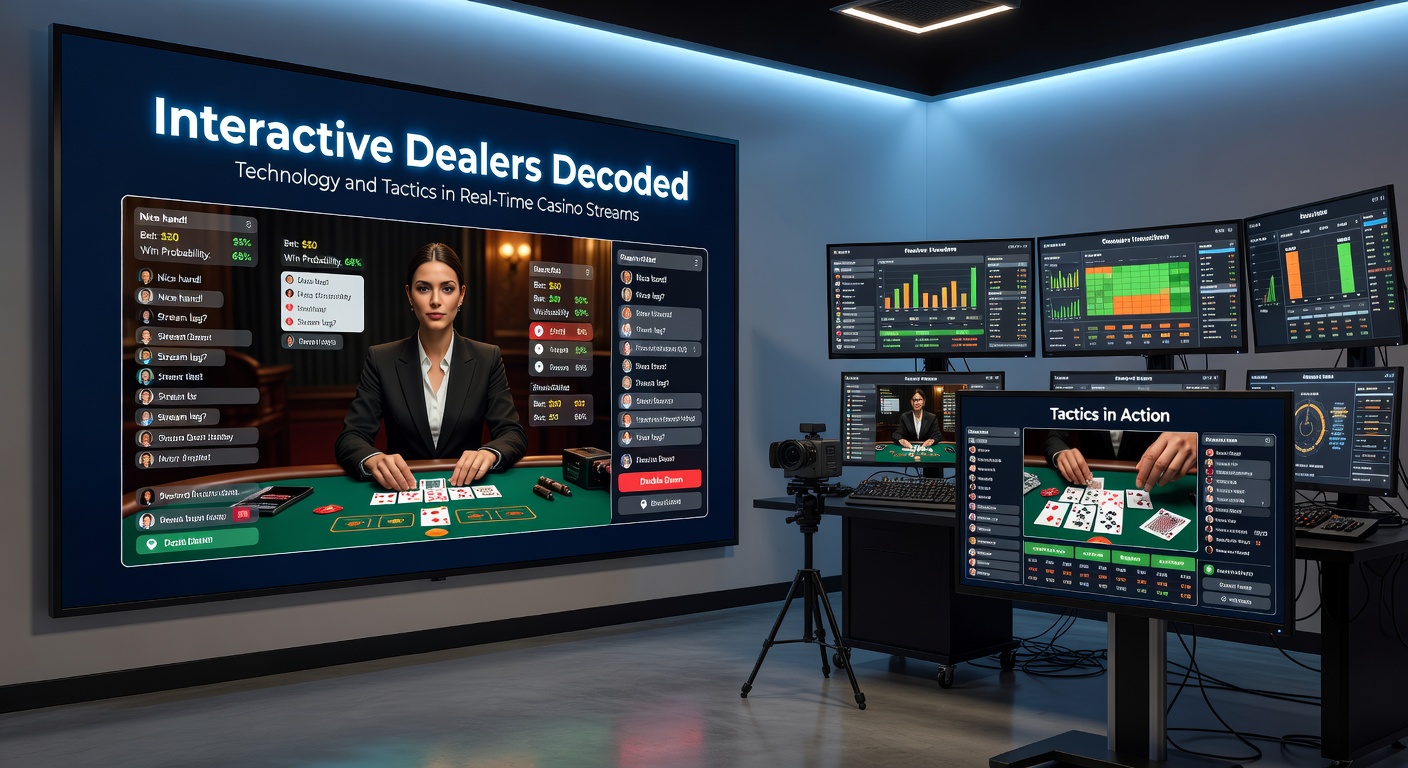
At the heart of these broadcasts lie sophisticated camera systems—often eight or more per table—including PTZ (pan-tilt-zoom) units that track dealer movements seamlessly, ensuring low-latency feeds under 2 seconds even across continents. Streaming protocols like WebRTC handle the heavy lifting, compressing HD video into bite-sized packets that adapt to bandwidth fluctuations; this means a player in rural Australia experiences the same fluid action as someone in New York. Turns out, optical character recognition (OCR) software reads bet slips and card values instantly, feeding data to backend servers for verification.
Latency and Bandwidth Mastery
Low latency defines success here; edge computing servers positioned near studios shave milliseconds off transmission times, while adaptive bitrate streaming switches resolutions on the fly—from 4K down to 720p if connections wobble. Researchers at the University of Malta's gaming lab found that delays above 500ms spike player drop-off by 25%, so providers invest millions in global content delivery networks (CDNs). And here's where AI steps in: machine learning algorithms predict network hiccups, preemptively buffering key moments like the roulette ball landing.
- Multi-angle cameras: Bird's-eye for table overview, side views for dealer hands, macro lenses for chips.
- Audio tech: Directional mics capture dealer calls clearly, drowning out studio noise.
- Lighting rigs: LED arrays mimic casino glamour, reducing shadows on cards or dice.
Software platforms from companies like Playtech integrate all this, syncing player interfaces with dealer actions via WebSockets for bidirectional chat and betting.
Interactive Tactics Dealers Employ
Dealers don't just shuffle and deal; they deploy subtle tactics honed through rigorous training to keep energy high and players hooked—smiling acknowledgments of big bets, rhythmic chip stacking that builds suspense, or light commentary like "Lady luck's smiling today" to foster connection. Training regimens, often 6-8 weeks long, emphasize speed without errors; for blackjack, dealers hit 200+ hands per hour, using "squeeze" techniques on baccarat cards to reveal values teasingly slow. People who've analyzed streams observe that eye contact with cameras boosts engagement, mimicking personal table service.
But here's the thing: interaction goes beyond visuals; chat features let players tip dealers or request slower paces, with moderators filtering spam in real time. In high-stakes VIP rooms, dedicated dealers build rapport over sessions, remembering player names—a tactic that data shows increases return visits by 40%. Tactics vary by game too; roulette croupiers spin wheels with consistent force for fair outcomes, while poker hosts narrate community cards to heighten drama.
Security Measures and Regulatory Oversight
Real-time streams demand ironclad security; blockchain-ledgered bet tracking logs every wager immutably, while facial recognition bars underage or excluded players from chats. The Nevada Gaming Control Board mandates continuous audits for US-facing operators, verifying that dealer decisions align with RNG-free randomness—roulette outcomes depend purely on physics, audited via high-speed cameras. Figures reveal that live games undergo 24/7 monitoring, with AI flagging suspicious patterns like coordinated betting across tables.
Geofencing tech restricts access by region, complying with laws from Canada's provincial regulators to Australia's state bodies; breaches trigger instant stream halts. Observers point out that dual-shuffle protocols in blackjack—manual plus machine—slash card-counting risks, a nod to traditional casino tactics digitized.
Popular Games and Player Strategies
Blackjack leads with 40% of live traffic, thanks to side bets like Perfect Pairs that amp payouts; players strategically sit at third base for last-action views, mirroring land-based edges. Roulette streams dominate Europe, where lightning variants add random multipliers—up to 500x—decided by digital draws post-physical spin. Baccarat appeals to high-rollers, with squeeze cams turning reveals into theater; data indicates average session lengths stretch to 45 minutes here, versus 20 for slots.
Take one case from Evolution's Infinite Blackjack: unlimited seats mean no wait times, and chat-driven side challenges keep tables buzzing. Strategies evolve too; savvy players exploit dealer speeds, timing auto-bets to ride hot streaks, although house edges hover at 0.5-2% across games. And in May 2026, providers rolled out AR overlays—virtual chips floating over real tables—piloted in select Asian markets, blending immersion further.
Tech Innovations on the Horizon
VR headsets already test in beta streams, letting players "sit" at virtual tables with haptic feedback for card touches; 5G rollout promises sub-100ms latency worldwide. Quantum random number generators loom for hybrid games, while AI dealers (human-backed) handle low-stakes tables 24/7. Studies from Sweden's gambling research institute predict live formats capturing 60% of online revenue by 2030.
Challenges and Player Considerations
Bandwidth demands challenge mobile users, though 5G mitigates this; rural players often switch to optimized low-res modes. Dealer fatigue surfaces in long shifts—regulations cap sessions at 8 hours with breaks—yet rotations keep quality steady. What's significant is player education: resources detail RTPs (return-to-player rates), like 99.5% for single-deck blackjack, empowering informed play.
Community forums buzz with tips, such as choosing sunrise streams for fresher dealers or EU tables for faster paces; these nuggets, shared by veterans, highlight the social layer unique to live formats.
Conclusion
Interactive dealer streams stand as a pinnacle of online casino evolution, fusing cutting-edge tech with human finesse to deliver thrills unattainable in pure digital setups; from multi-cam rigs minimizing latency to tactical dealer flair boosting immersion, the ecosystem thrives on innovation and oversight. As May 2026 brings AR pilots and 5G ubiquity, players gain even richer experiences—transparent, secure, and endlessly engaging. Data underscores the trajectory: live gaming's share balloons, proving that real-time connection remains the gold standard in a virtual world.