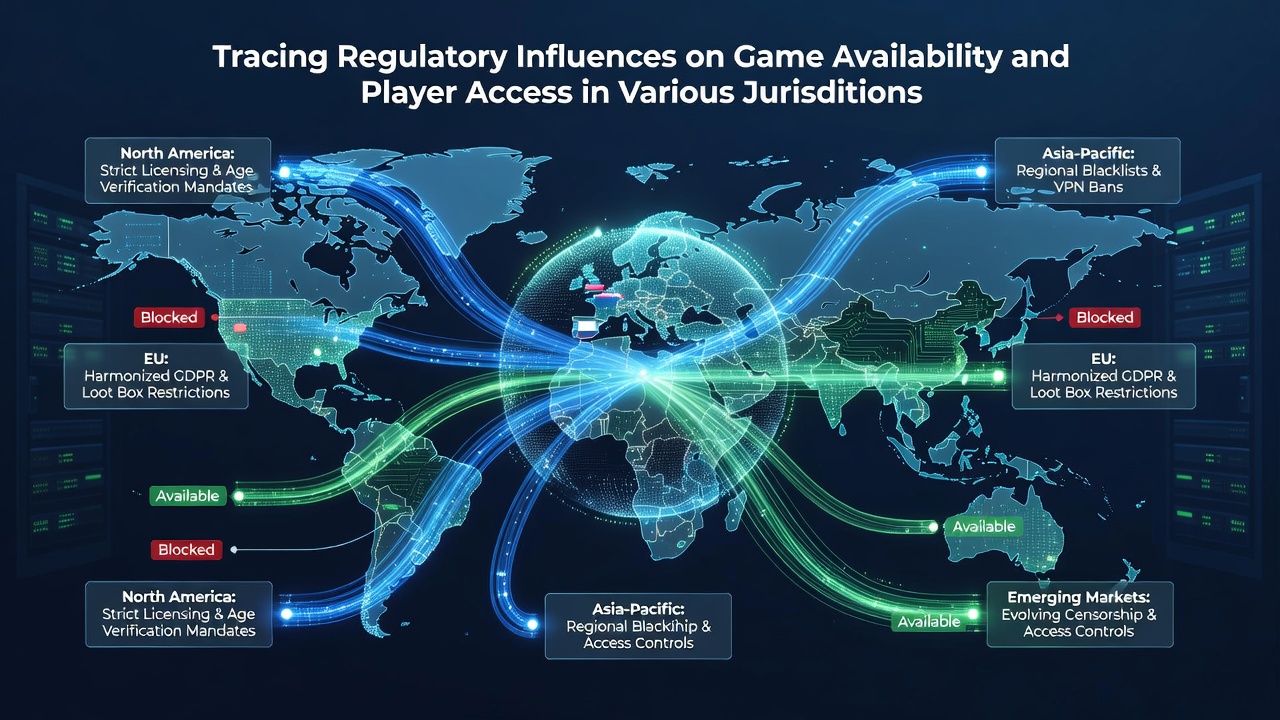
Jurisdictional Regulations and Their Role in Determining Game Availability for Players
Regulatory frameworks across different regions directly control which games operators can offer and which players can access them through licensing requirements, content restrictions, and geographic boundaries. These rules create distinct environments where availability shifts based on location, with some jurisdictions permitting extensive catalogs while others limit options to specific formats or exclude entire categories altogether.
State-Level Variations in the United States
Within the United States, individual states maintain separate oversight systems that produce noticeable differences in game selections and player eligibility. Nevada and New Jersey have established licensing structures that support a broad range of digital table games and slots, whereas states such as California and Texas continue to operate under narrower statutes that restrict or prohibit many online formats. Data from state regulatory filings shows that licensed operators in permissive markets report higher numbers of available titles compared to those in restrictive ones, and player registration numbers follow similar patterns tied to approval processes.
Age verification protocols and geofencing technologies further segment access, requiring platforms to block users outside approved boundaries. As of August 2026, several states continue to evaluate expansions to their frameworks, with legislative sessions addressing potential additions of skill-based games or adjustments to existing tax structures that influence operator participation.
European Market Structures and Licensing
European jurisdictions apply licensing regimes that emphasize compliance with both national laws and broader EU directives on consumer protection and fair play. Countries like Malta and Sweden maintain centralized authorities that authorize operators meeting technical standards, resulting in platforms that can feature extensive libraries once approved. In contrast, Germany and the Netherlands have implemented more segmented rules that separate sports betting from casino-style offerings, which limits cross-category access for players within those borders.
Operators must adapt game libraries to meet local certification requirements, which can delay launches or exclude certain mechanics. Figures from industry reports indicate that compliance costs vary significantly, leading some providers to prioritize markets with streamlined approval timelines over those with extended review periods.
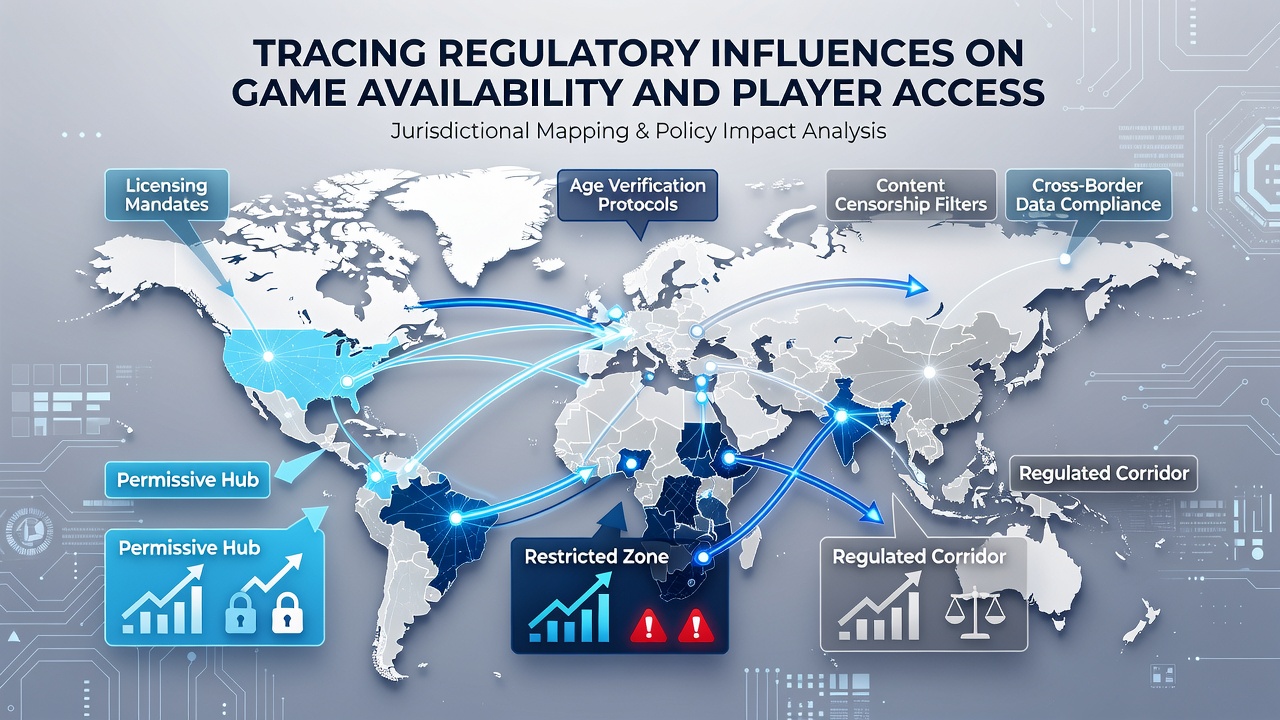
Approaches in Canada and Australia
Canadian provinces each set their own parameters, with Ontario operating a regulated market that includes multiple licensed platforms while other regions maintain provincial monopolies or prohibitions on private operators. This produces uneven availability, where residents in one province encounter wider selections than those in neighboring areas. Australian states and territories follow comparable patterns, with New South Wales and Victoria enforcing strict licensing that covers interactive wagering yet imposes caps on certain high-volatility games.
Cross-border access remains restricted through IP controls and account verification, and regulators in both countries publish periodic updates on approved suppliers and game types. Research from academic institutions tracking these markets shows that player participation rates align closely with the number of authorized providers active in each jurisdiction.
Developments in Asia-Pacific Regions
Asia-Pacific regulatory environments range from outright bans in some nations to controlled pilots in others. Singapore and Japan have introduced frameworks allowing limited casino operations with heavy oversight on game types and player eligibility, whereas jurisdictions like Thailand have signaled potential shifts through recent policy reviews. These changes affect not only local residents but also influence how international operators structure their offerings to avoid violations.
Enforcement mechanisms often include financial penalties and service blocks, which reduce unauthorized access while channeling activity toward sanctioned channels where they exist. Observers note that harmonization efforts across certain regional bodies aim to create more consistent standards, though implementation timelines differ by country.
Conclusion
Regulatory influences continue to shape game availability and player access through licensing, technical mandates, and geographic controls that vary widely by jurisdiction. Patterns emerge when comparing outcomes across the United States, Europe, Canada, Australia, and Asia-Pacific regions, where approval processes and content rules determine the scope of options presented to users. As frameworks evolve, operators and players alike encounter shifting boundaries that reflect each area's priorities around oversight and participation.