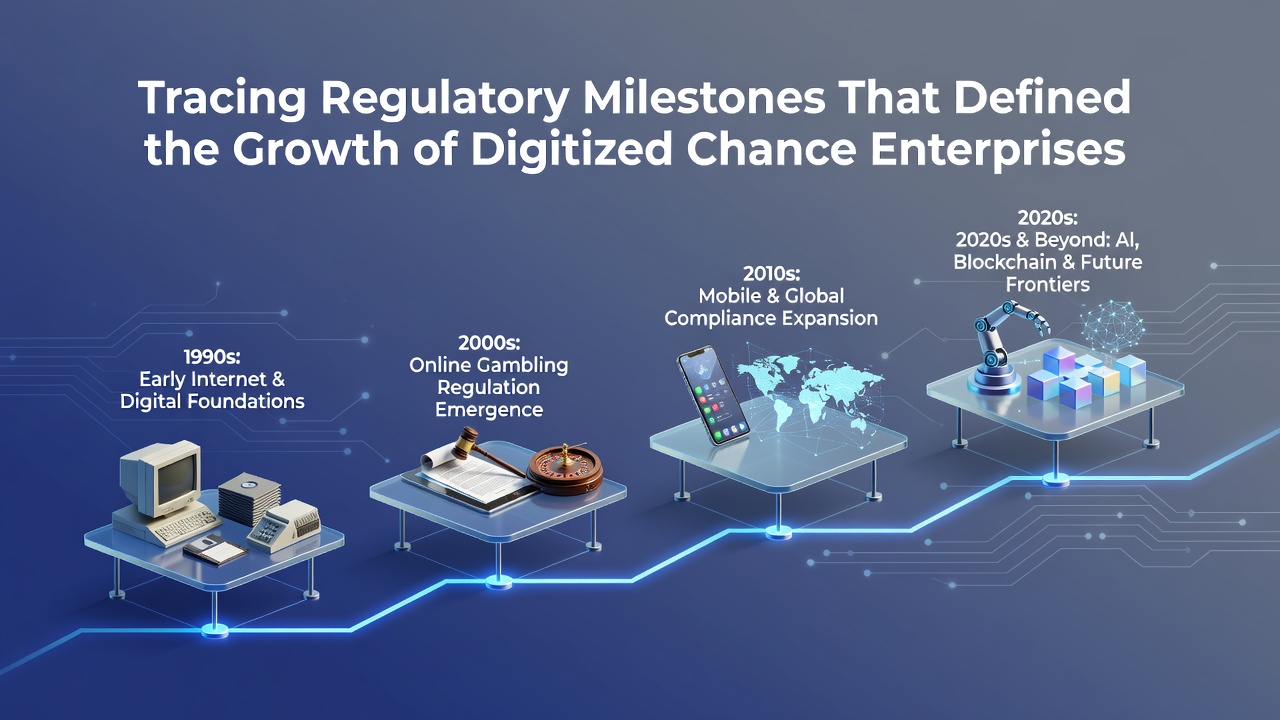
Regulatory Shifts That Shaped the Expansion of Online Gambling Platforms
Regulatory frameworks have played a central role in guiding the development of digitized chance enterprises since the mid-1990s, when governments first began addressing internet-based betting activities through licensing systems and cross-border agreements. Early adopters such as Antigua and Barbuda established the first dedicated online gaming licenses in 1994, which allowed operators to set up servers and accept players from multiple jurisdictions while complying with local oversight requirements.
Early International Frameworks and Licensing Models
Observers note that the initial wave of regulation focused on creating safe havens for operators, with Malta and Gibraltar following similar paths in the late 1990s to attract technology firms and generate tax revenue. These jurisdictions implemented strict financial audits and player protection rules that later influenced larger markets. Data from industry reports indicates that by 2000 more than 200 online casinos operated under these early licenses, handling millions in wagers annually through secure payment gateways.
Researchers at academic institutions have documented how these models emphasized player verification and random outcome testing, setting standards that reduced fraud risks compared to unregulated environments. Companies incorporated in these locations gained credibility, which encouraged further investment in software development and customer support infrastructure.
United States Legislative Developments
The passage of the Unlawful Internet Gambling Enforcement Act in 2006 marked a turning point for American operators and players, as it restricted financial transactions related to online betting while carving out exceptions for certain fantasy sports and horse racing platforms. Enforcement actions by federal agencies led many companies to relocate servers or exit the market entirely during that period. Yet state-level changes began to emerge after 2011 when the Department of Justice clarified its stance on interstate wagering, opening doors for regulated poker and casino sites in Nevada and New Jersey.
By 2018 the Supreme Court decision striking down the Professional and Amateur Sports Protection Act allowed individual states to legalize sports betting, resulting in over 30 states enacting their own frameworks by 2024. Licensing bodies in these states require operators to maintain local servers, undergo regular audits, and contribute to problem gambling funds, according to records from state gaming commissions.
European and Asian Regulatory Expansion
European markets advanced their own systems during the same era, with Sweden and Denmark introducing state-controlled licensing regimes around 2019 that required foreign operators to partner with local entities or obtain direct approvals. Figures from regulatory filings show increased tax collections and higher compliance rates after these changes took effect. In Asia, jurisdictions such as the Philippines and Cambodia developed specialized zones for online gaming that focus on international players while imposing strict separation from domestic markets.
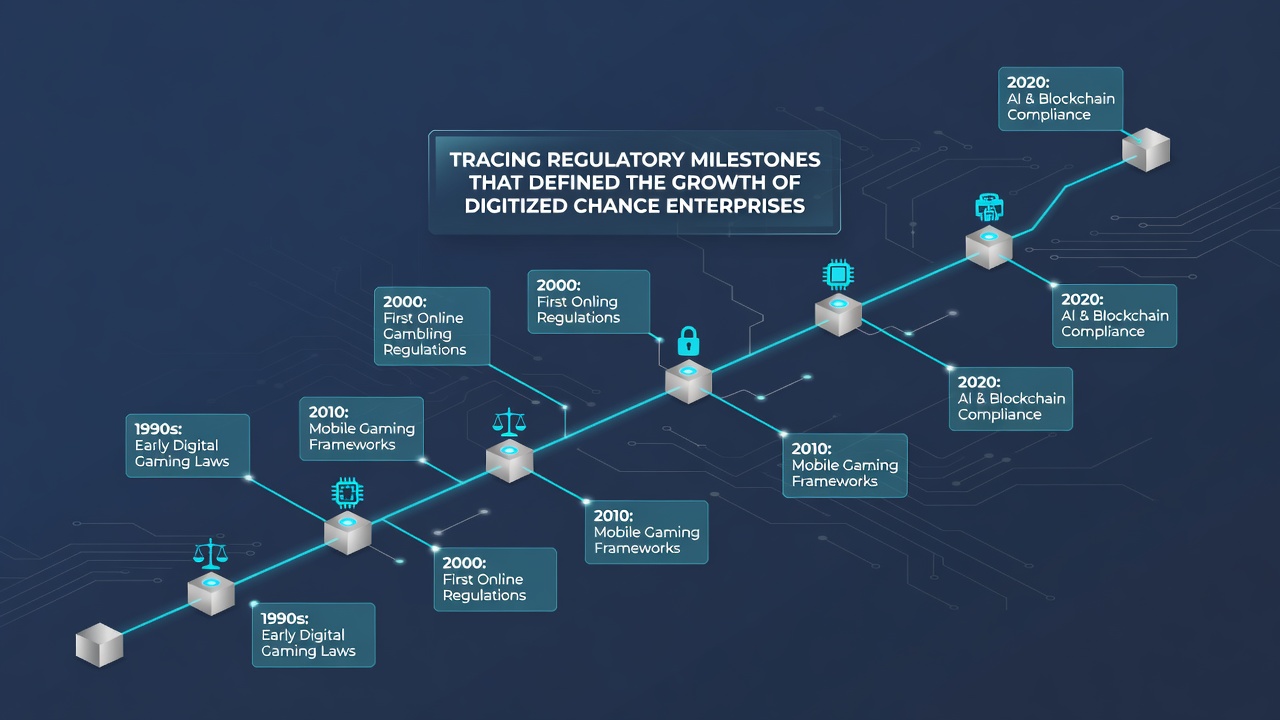
What's interesting is how these regional approaches often converge on shared principles like age verification and responsible gaming tools, even when enforcement mechanisms differ. The Interactive Gambling Act amendments in Australia, for instance, strengthened prohibitions on certain advertising while permitting licensed offshore sites to serve Australian customers under specific conditions.
Emerging Trends and 2026 Developments
Recent discussions among regulators have centered on cryptocurrency integration and artificial intelligence monitoring systems, with pilot programs underway in several Canadian provinces and Australian territories. In September 2026 the Global Gaming Expo in Las Vegas is scheduled to feature sessions on harmonizing cross-border data standards, drawing representatives from North American, European, and Asian agencies. Such events highlight ongoing efforts to balance innovation with consumer safeguards as technology continues to evolve.
Evidence from compliance reports suggests that markets with clear, updated rules tend to attract more established operators and generate steadier revenue streams for governments. Those who've studied this trajectory point to consistent patterns where phased legalization leads to measurable reductions in black market activity over time.
Conclusion
The regulatory milestones reviewed here illustrate a progression from fragmented early licensing to more coordinated international standards that support the sustained growth of digitized chance enterprises. Continued collaboration among oversight bodies remains essential for addressing new technologies while maintaining the integrity of these platforms across different regions.