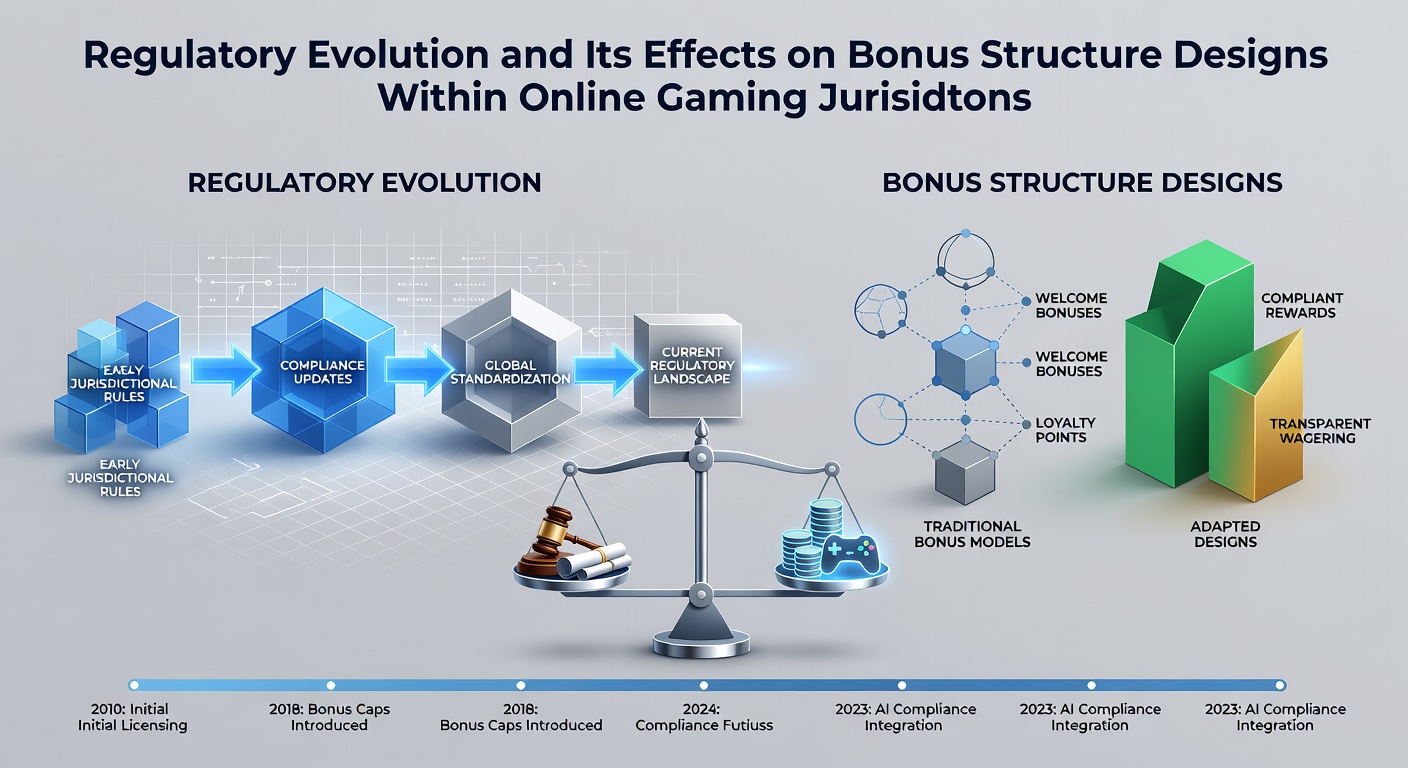
Regulatory Shifts Transforming Bonus Offerings Across Global Online Gaming Markets
Regulatory frameworks governing online gaming have undergone substantial revisions in multiple jurisdictions over the past decade, and these adjustments directly influence how operators structure promotional bonuses for players. Data from various oversight bodies shows that changes in licensing conditions, consumer protection mandates, and responsible gaming requirements have prompted operators to revise wagering multipliers, eligibility criteria, and game contribution percentages across different markets.
Early Regulatory Approaches and Initial Bonus Designs
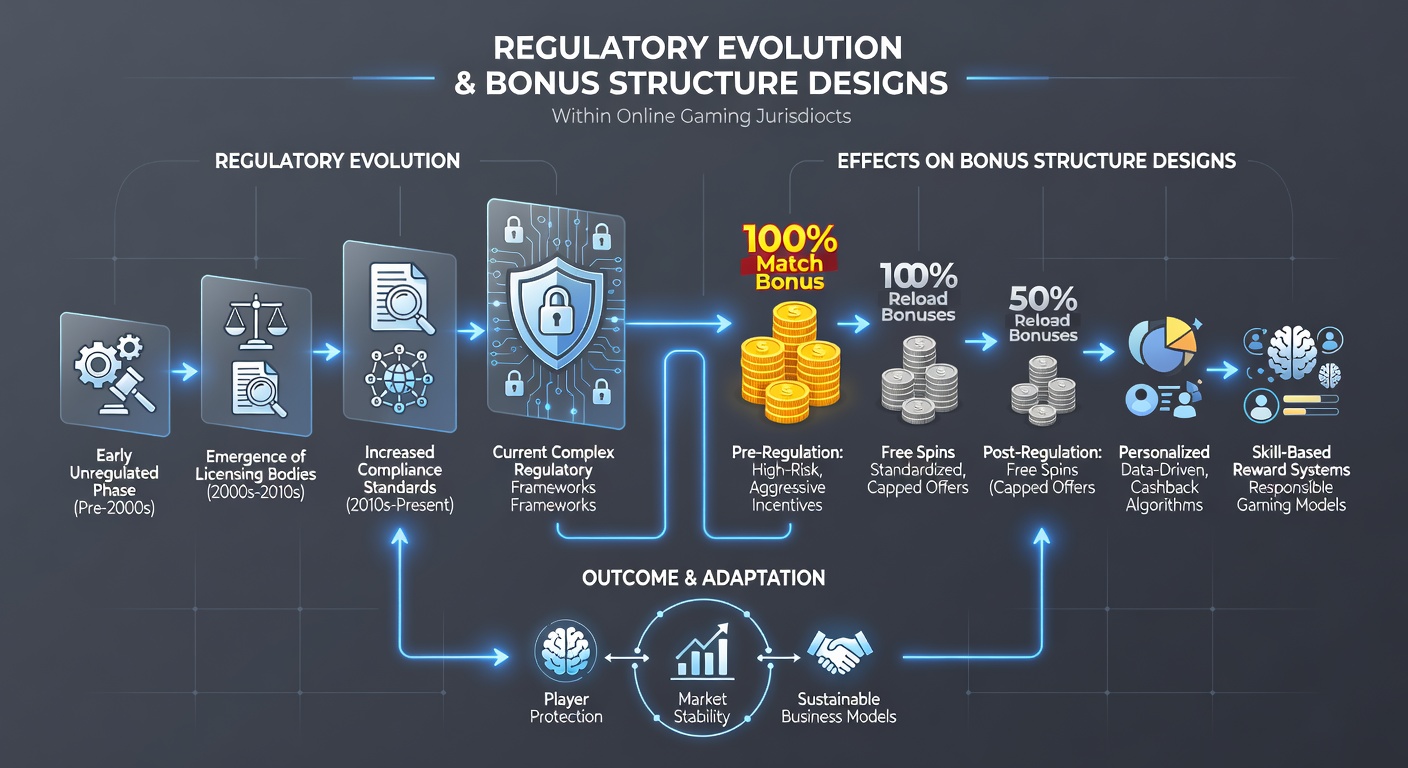
During the initial expansion of online gaming platforms in the late 1990s and early 2000s, bonus structures often featured minimal restrictions, with operators offering large match percentages and low playthrough thresholds to attract users. Regulators in emerging markets focused primarily on licensing revenue and basic operational standards rather than detailed promotional oversight, which allowed flexibility in how bonuses were presented and redeemed. Observers note that this period produced a wide variety of offers, including no-deposit bonuses and cashback programs that carried few geographic limitations.
As more jurisdictions formalized their online gaming statutes, authorities began incorporating player protection elements into licensing terms. These additions addressed concerns about bonus transparency, including requirements that operators disclose full terms before players claim promotions. Studies from research institutions indicate that such disclosures reduced disputes over hidden wagering conditions and altered the way operators calculated bonus values relative to deposit amounts.
Key Jurisdictional Changes and Their Direct Impacts
In North American markets, several states implemented detailed rules following the repeal of the Professional and Amateur Sports Protection Act. Pennsylvania's gaming control framework, for instance, requires operators to submit bonus plans for approval, which has led to standardized contribution rates for table games versus slots in promotional calculations. Michigan and New Jersey adopted similar review processes, resulting in caps on bonus amounts tied to a player's deposit history and verification status. These measures have prompted operators to introduce tiered bonus systems that adjust based on account verification level and regional compliance needs.
Canadian provinces have also refined their approaches. The Alcohol and Gaming Commission of Ontario introduced guidelines that limit how quickly players can access bonus funds, requiring a portion of winnings to remain locked until wagering completes. This adjustment has influenced the design of reload bonuses and loyalty rewards, shifting emphasis toward smaller, more frequent offers rather than large upfront matches. Operators in these markets now calibrate bonus structures to align with provincial reporting on player activity and dispute resolution metrics.
European markets outside the United Kingdom present another set of examples. Malta's gaming authority and several Nordic regulators have enforced stricter separation between bonus funds and deposits, along with mandatory time limits on promotional validity. Data from industry reports shows these rules have increased the prevalence of bonus types that exclude certain high-volatility games from contribution calculations, encouraging operators to diversify their promotional portfolios with free spin packages and cashback on net losses.
Adjustments in Wagering Requirements and Game Contributions
One consistent outcome across jurisdictions involves modifications to wagering requirements attached to bonuses. Regulators have pushed for lower multipliers in some cases while demanding clearer explanations of how different game types count toward completion. Slots typically contribute 100 percent in most approved structures, whereas table games and live dealer options often receive reduced percentages or complete exclusions. Operators respond by creating segmented bonus offers that specify eligible titles upfront, which helps maintain compliance while preserving player engagement levels.
Research from academic sources on gambling behavior indicates these contribution adjustments affect player retention patterns. When operators lower requirements on select games, participation in those titles rises measurably, prompting further regulatory scrutiny in certain markets. By May 2026, scheduled reviews in multiple Canadian and European jurisdictions are expected to evaluate whether current contribution rates adequately balance operator viability with player protection goals.
Effects on Loyalty Programs and Ongoing Promotions
Loyalty and VIP structures have faced parallel regulatory attention. Several oversight bodies now require operators to provide clear progression criteria and ensure that bonus redemptions do not create unintended barriers for players seeking to cash out. This has resulted in more transparent tier systems where reward values scale predictably with activity levels, reducing the use of discretionary bonuses that previously relied on manual approvals.
Operators in Australia have adapted to state-level requirements that tie promotional bonuses to verified player accounts and spending limits. These rules have encouraged the development of personalized offers based on individual play history rather than blanket promotions available to all users. Figures from regional gaming associations reveal that such targeted approaches have coincided with lower rates of player complaints regarding bonus terms.
Future Considerations for Operators and Regulators
Regulatory evolution continues to emphasize data reporting on bonus usage and player outcomes. Jurisdictions are increasingly requesting detailed analytics on how promotions influence deposit patterns and session lengths, which in turn shapes future bonus design parameters. Operators must maintain flexible systems capable of adjusting contribution rates and eligibility rules when new guidelines take effect.
Cooperation between regulators across borders has produced some harmonization efforts, particularly around transparency standards, although local differences persist. Those monitoring these developments point to ongoing consultations that may further standardize certain bonus elements while preserving market-specific adaptations.
Conclusion
Regulatory changes across multiple regions have produced measurable shifts in how online gaming operators construct and present bonus structures. From adjusted wagering requirements to refined contribution percentages and loyalty frameworks, these modifications reflect broader priorities around transparency and player safeguards. As additional reviews approach in 2026, operators continue adapting their promotional strategies to meet evolving compliance standards while serving diverse player bases in regulated markets.