Tracing Payment Pathways: Milestones That Reshaped Funding Choices in Remote Wagering Networks
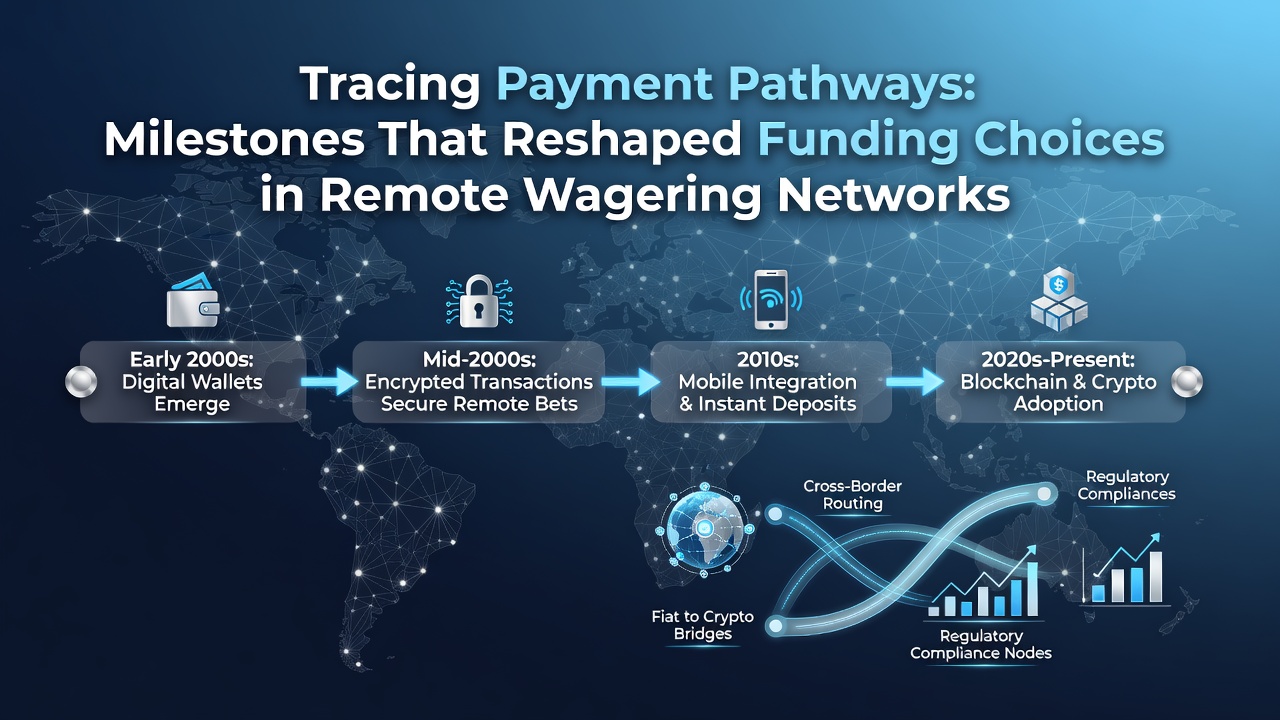
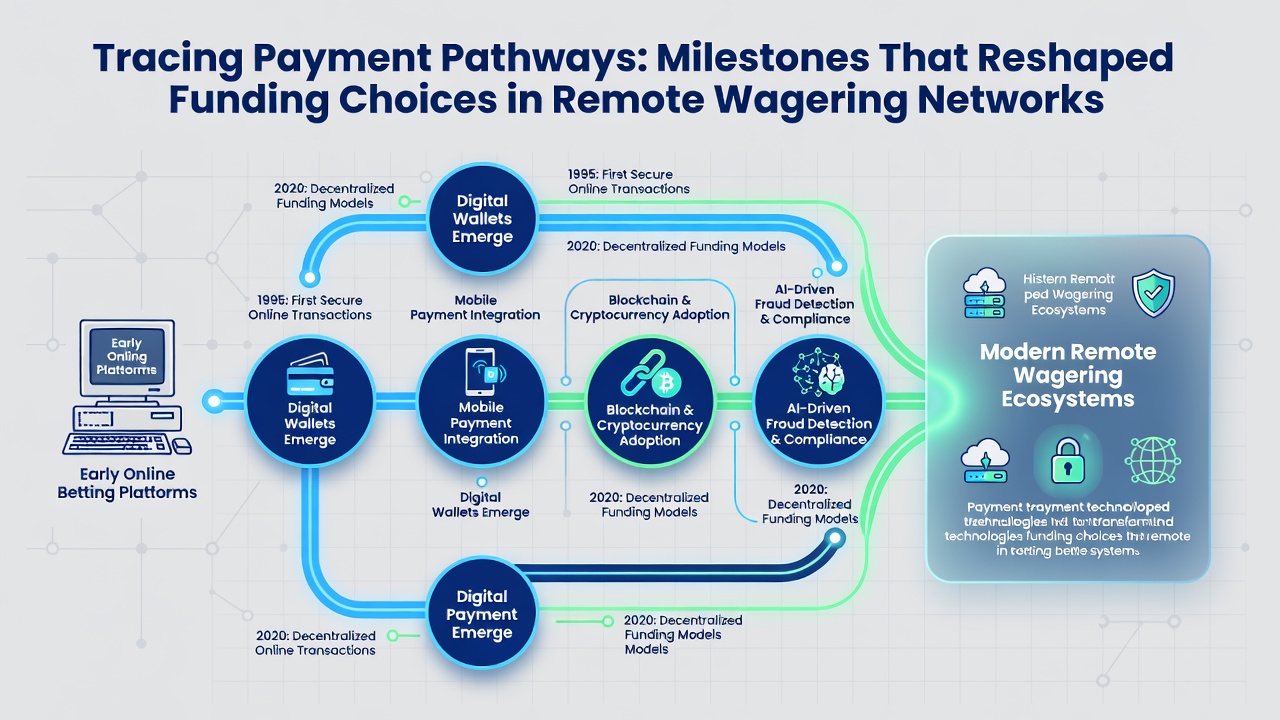
Payment systems in remote wagering networks have evolved through distinct phases that altered how participants transfer funds across digital platforms. Early networks relied on traditional banking channels, yet those methods soon gave way to specialized services that addressed speed, security, and regulatory demands. Observers note that each shift coincided with technological advances and policy changes that forced operators and users to adapt their choices.
Credit card processing dominated the initial wave of online wagering sites in the late 1990s. Processors such as Visa and Mastercard handled deposits directly, while chargeback rules created friction that prompted many operators to seek alternatives. Data from industry reports indicate that by 2003 roughly 60 percent of transactions still moved through card networks, although restrictions in certain jurisdictions began to limit this share.
Emergence of Electronic Wallets
Electronic wallet providers entered the market around 2000 and quickly captured significant volume. Services like Neteller and Moneybookers allowed users to fund accounts without exposing card details to every site. These intermediaries absorbed regulatory risk and offered faster settlement times that appealed to frequent players. Research indicates transaction volumes through such wallets grew at an average annual rate of 35 percent between 2004 and 2008.
Regulatory actions in the United States, particularly the Unlawful Internet Gambling Enforcement Act of 2006, accelerated adoption of these alternatives. Operators responded by integrating multiple wallet options to maintain access for international users. Those who tracked payment flows during this period observed a sharp decline in direct card usage and a corresponding rise in wallet-based activity.
Mobile Integration and Instant Transfers
Smartphone adoption after 2010 introduced new requirements for seamless funding. Mobile-optimized wallets such as PayPal and later Apple Pay began appearing on operator platforms. These solutions leveraged existing user accounts and biometric authentication to reduce friction during deposits. Figures from payment processors show that mobile-initiated wagering transactions exceeded 45 percent of total volume by 2015.
Instant bank transfer services gained traction in Europe and Australia during the same decade. Systems like Trustly and POLi connected directly to user bank accounts, bypassing card networks entirely. Data compiled by regional banking associations reveal that these methods cut average deposit times from hours to seconds while lowering per-transaction fees.
Cryptocurrency Adoption
Bitcoin and subsequent cryptocurrencies entered wagering networks around 2013. Early adopters valued the pseudonymous nature of blockchain transactions and the ability to bypass traditional banking restrictions. Several platforms began accepting deposits in multiple digital assets, while others developed proprietary tokens. According to a 2019 study published by a European research consortium, cryptocurrency wagering volume reached an estimated 2.3 billion USD that year.
Stablecoins later addressed volatility concerns that had limited broader uptake. USDT and similar assets allowed operators to offer fixed-value funding options that appealed to risk-averse participants. Regulatory bodies in Canada and Australia issued guidance documents clarifying tax treatment and anti-money-laundering obligations for these instruments. By mid-2026 several major networks reported that stablecoin transactions accounted for nearly 18 percent of all deposits.
Regulatory and Technological Convergence in 2026
July 2026 marked the implementation of updated digital asset rules across multiple jurisdictions that further standardized cryptocurrency handling in wagering. These frameworks required licensed operators to maintain on-chain transparency logs while preserving user privacy thresholds. Industry groups such as the International Association of Gaming Regulators documented a 22 percent increase in compliant crypto funding channels during the first half of that year.
Central bank digital currencies also began pilot programs in several regions, prompting some networks to explore integration pathways. Early tests focused on settlement speed and audit capabilities rather than widespread consumer rollout. Observers tracking these developments noted that existing blockchain infrastructure already in place for cryptocurrency wagering positioned operators to adapt quickly once official CBDC standards emerged.
Future Pathways and Ongoing Adaptation
Layer-two scaling solutions and cross-chain bridges continue to reduce transaction costs and confirmation times for digital asset transfers. Payment aggregators now bundle traditional bank rails with crypto options, giving users single interfaces that route funds through whichever channel meets their preferences. Reports from academic centers studying financial technology indicate that hybrid models will likely dominate the next phase of infrastructure development.
Security protocols have evolved in parallel. Multi-signature wallets, hardware authentication devices, and real-time fraud detection systems now form standard components of operator payment stacks. These measures address both regulatory mandates and user expectations around fund safety.
Conclusion
Payment pathways in remote wagering networks reflect successive responses to technology, regulation, and user demand. From credit cards to electronic wallets, mobile transfers, and cryptocurrency systems, each milestone altered the available funding choices and the infrastructure supporting them. Continued evolution through 2026 and beyond will depend on how operators integrate emerging digital asset frameworks while meeting compliance requirements across jurisdictions.