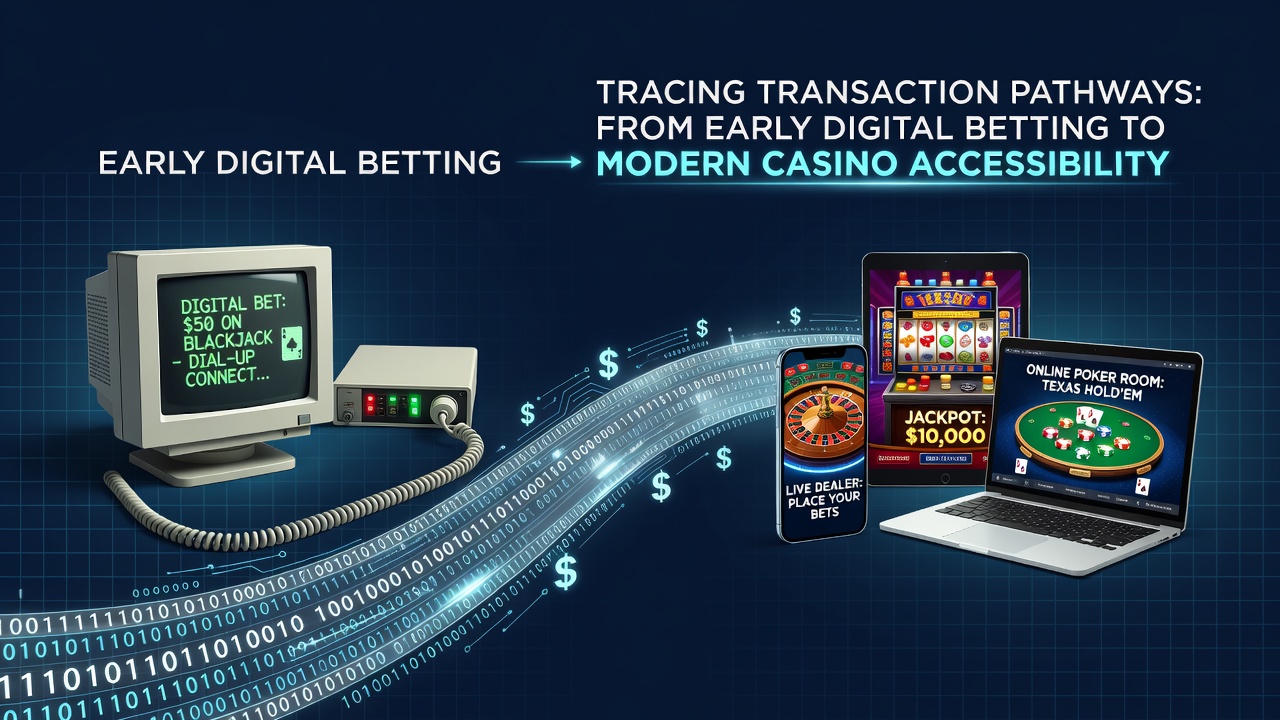
Tracing Transaction Pathways That Linked Early Digital Betting to Modern Casino Accessibility
Transaction pathways in digital betting began with basic credit card processing and wire transfers during the mid-1990s when the first online platforms emerged, and these routes evolved through multiple layers of intermediaries, banking regulations, and technological shifts that eventually enabled today's widespread casino accessibility across mobile devices and global markets. Early operators relied on offshore payment processors located in jurisdictions with minimal oversight, which routed funds through multiple banks in different countries before reaching player accounts.
Foundations in the 1990s and Early 2000s
Observers note that initial digital betting sites accepted Visa and Mastercard transactions directly, yet high chargeback rates prompted the development of specialized e-wallet services such as early versions of Neteller and FirePay that acted as buffers between banks and gambling operators. These services converted credit card deposits into electronic funds that moved through corporate accounts in places like Antigua and Costa Rica, creating pathways that avoided direct casino-bank connections. Data from that period shows transaction volumes growing from a few million dollars annually to over $1 billion by 2001 according to industry reports compiled by payment analysis firms.
Payment processors introduced layered verification steps including address matching and velocity checks to reduce fraud, while operators began accepting checks and money orders mailed to physical addresses in the Caribbean. Those methods added days to deposit times but provided traceable paper trails that satisfied basic compliance needs at the time. Researchers documented how funds often passed through correspondent banks in New York or London before clearing, which introduced additional fees and delays that later motivated the search for faster alternatives.
Regulatory Pressures and Pathway Adaptations
Legislation such as the Unlawful Internet Gambling Enforcement Act of 2006 in the United States forced operators to reroute transactions away from traditional credit networks, and many turned to prepaid cards or bank wire services routed through European and Asian intermediaries. Australian Transaction Reports and Analysis Centre records indicate increased scrutiny on international transfers linked to gambling operators during this period, which encouraged the adoption of cryptocurrency pilots by some platforms as early as 2011. Payment pathways incorporated bitcoin wallets that settled on blockchain ledgers, bypassing traditional banking rails altogether while still requiring conversion points back to fiat currency for player withdrawals.
European markets saw different adaptations after the European Union introduced payment services directives that required gambling operators to partner with licensed electronic money institutions. These partnerships created standardized transaction pathways monitored through real-time reporting systems, which reduced processing times from several days to under 24 hours for approved deposits. Figures from the Canadian Bankers Association reveal that domestic banks implemented blocking codes for gambling merchant category codes around 2010, prompting players to use third-party bill payment services that masked the final destination of funds.
Shift Toward Mobile and Instant Access
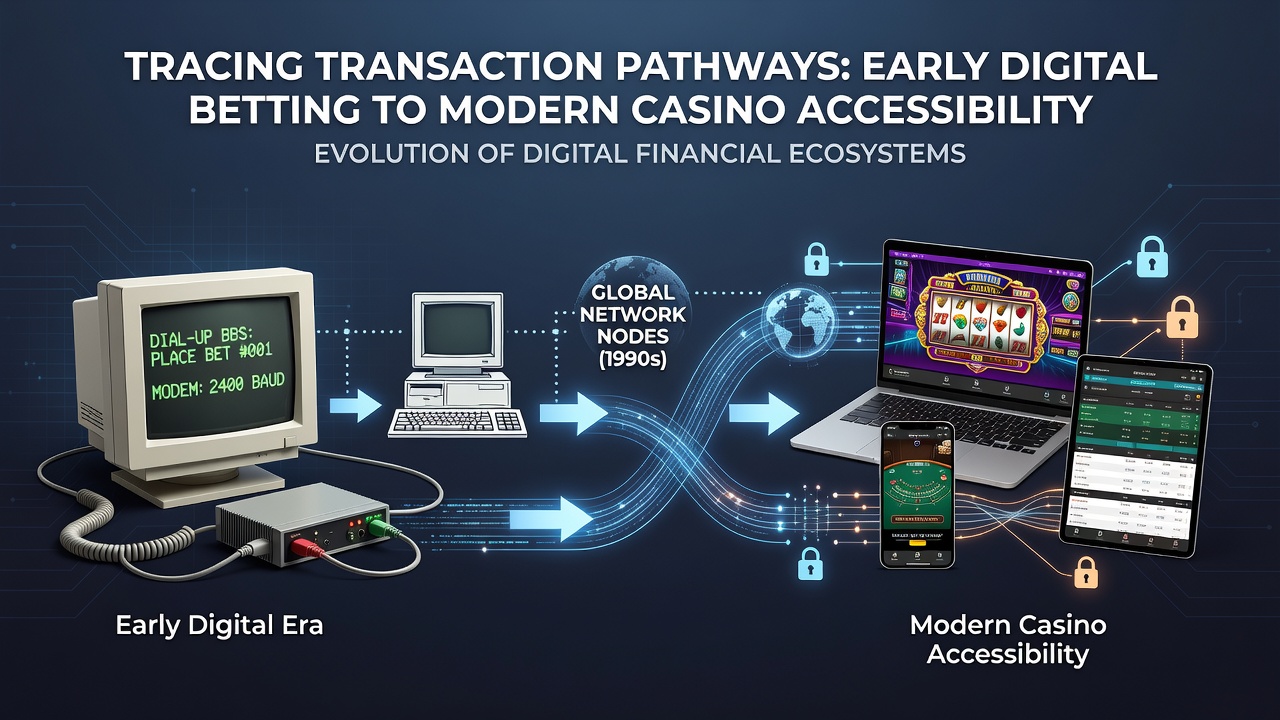
By the mid-2010s transaction pathways incorporated mobile-specific solutions including Apple Pay and Google Pay integrations that tokenized card details and routed them through processor networks already approved for gambling merchants in regulated markets such as New Jersey and Pennsylvania. These systems reduced friction by allowing one-tap deposits while maintaining compliance logs required by state gaming control boards. What's interesting is that operators in emerging markets adopted local mobile money services such as M-Pesa in Kenya and similar platforms in Southeast Asia, which converted airtime or bank balances directly into casino credits through partnerships with licensed aggregators.
Studies released by academic institutions including the University of Nevada, Reno, tracked how instant banking options using open banking protocols in the United Kingdom and parts of Europe further shortened pathways by connecting player bank accounts directly to casino wallets without card networks. In June 2026 the International Association of Gaming Regulators plans to publish updated guidelines on cross-border transaction monitoring that build on these established routes, focusing on standardized data formats for real-time compliance checks across multiple jurisdictions.
Current Landscape of Accessible Pathways
Modern accessibility stems from diversified options that include direct bank transfers via systems like iDEAL in the Netherlands, POLi in Australia, and Interac in Canada, each creating jurisdiction-specific rails that operators integrate through single API connections. These pathways support withdrawals that settle in minutes rather than days because they leverage existing national payment infrastructures already cleared for gambling activity. Industry data compiled by the European Gaming and Betting Association indicates that over 70 percent of transactions in regulated European markets now flow through such localized methods rather than international card schemes.
Additional routes emerged through prepaid voucher systems and loyalty point conversions offered by retail partners, which allow players to load funds at physical locations before digital transfer to casino accounts. Observers note that these hybrid pathways maintain traceability through unique voucher codes while expanding access in regions where traditional banking penetration remains low. Blockchain-based solutions continue to expand with stablecoin options that settle on public ledgers yet interface with licensed exchanges for compliance reporting required by bodies such as FinCEN in the United States.
Conclusion
The evolution of transaction pathways demonstrates consistent adaptation to regulatory changes, technological advances, and player preferences that transformed early limited options into the multi-channel accessibility available today. Each stage built upon previous infrastructure while incorporating new compliance layers that support both operator operations and player convenience across global markets.